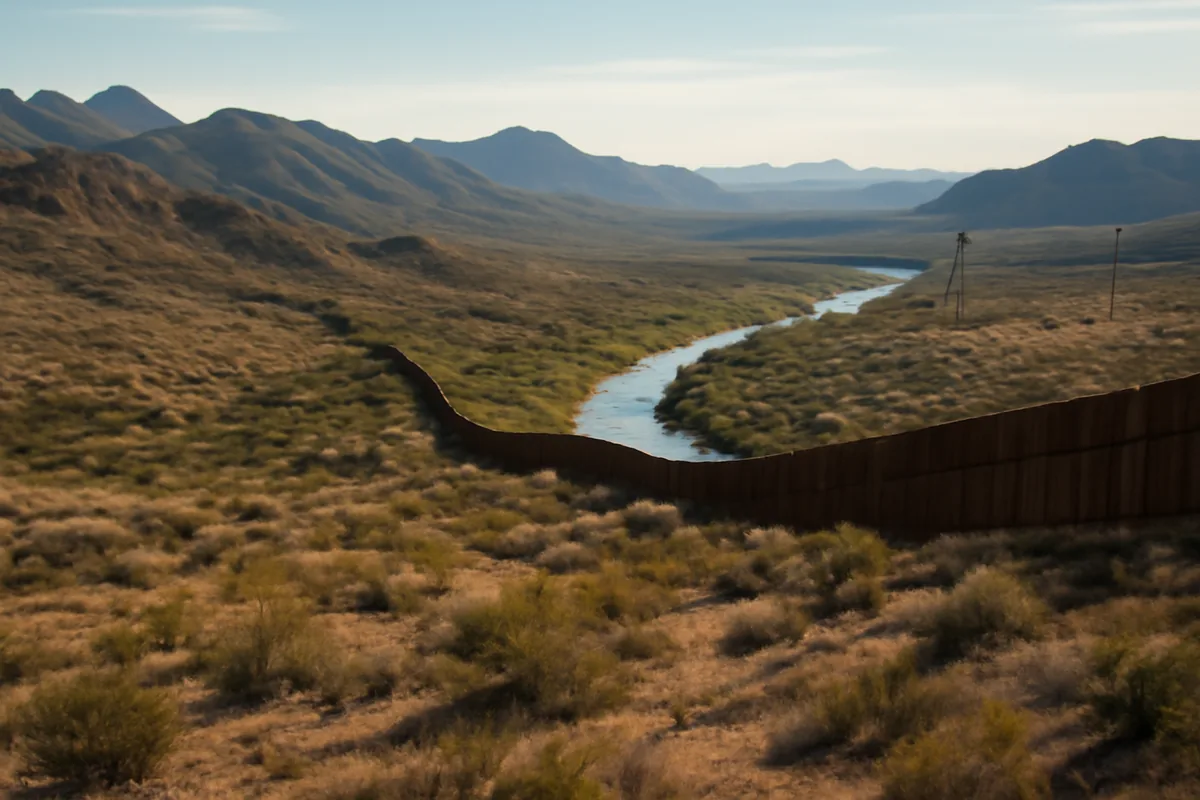
US-Mexico Border Security Challenges in 2026
Discover the complexities of US-Mexico border security in 2026, focusing on recent incidents and cooperative strategies.
Explore the impact of Daylight Saving Time on life and the economy in 2026, from legislative debates to health and economic effects.

Daylight Saving Time (DST) has long been a subject of debate due to its widespread effects on daily life and the economy. In 2026, the conversation continues, influenced by legislative battles, economic implications, and health considerations. Understanding these impacts can help you navigate the changes and anticipate future developments.
The legislative landscape around DST is complex and evolving. A significant push to make DST permanent in the United States has been met with mixed reactions. Despite a bill passing the House of Representatives, the Senate remains divided, particularly with opposition from certain regions. President Donald Trump has been vocal in his support for permanent DST, describing it as a popular measure among voters. However, this proposal has stalled due to geographic and political disagreements [1].
Historically, the U.S. has experimented with permanent DST, notably during World War II and the 1970s energy crisis. During these periods, the intent was to conserve energy. However, these measures were eventually rolled back due to public discontent and conflicting economic impacts. The Sunshine Protection Act represents the latest attempt to make DST permanent, but it faces significant hurdles. Some states, particularly in the northern U.S., argue that permanent DST would result in darker winter mornings, affecting school start times and daily commutes.
The geographic divide on DST legislation is notable. Northern states, which experience shorter daylight hours in winter, are generally more opposed to permanent DST. In contrast, southern states, with less variation in daylight, tend to support the change. This divide complicates legislative efforts, as senators must balance national benefits with regional concerns. The resistance from northern states has been a major factor in the legislative stalemate, showcasing the complexity of achieving consensus on this issue.
The economic effects of DST are multifaceted. Proponents argue that extending daylight hours can boost retail sales and reduce energy consumption. Longer evenings may encourage consumer spending in sectors like hospitality and entertainment. However, opponents highlight potential drawbacks, such as disruptions in sectors reliant on precise scheduling, like agriculture and finance. The actual economic impact of DST varies by region and industry.
Retail and tourism industries often report increased revenues during DST due to extended daylight hours. For example, studies have shown a noticeable uptick in outdoor dining and shopping activities. The National Golf Foundation has reported higher participation rates in golf, as players can enjoy longer daylight hours after work, directly translating to increased revenue for golf courses.
Conversely, the agriculture sector often suffers due to DST. Farmers rely on the sun rather than the clock, and the artificial shift can disrupt livestock and crop cycles. Financial markets also experience volatility during DST transitions, as global markets operate across various time zones, leading to potential misalignments and missed trading opportunities. Airlines face scheduling challenges, as coordination with international flights becomes more complicated.
One of the original arguments for DST was energy conservation, based on the premise that more daylight would reduce the need for artificial lighting. However, modern studies have shown mixed results. While there is a slight reduction in lighting costs, increased use of air conditioning during warmer, longer evenings may offset these savings. Regional studies suggest that energy savings are minimal, questioning the validity of this argument in the 21st century.
Health effects are a critical component of the DST debate. Transitioning in and out of DST can disrupt sleep patterns, leading to increased fatigue and decreased productivity. Some studies suggest a rise in heart attacks and accidents shortly after the clock changes. Conversely, extended daylight in the evenings may promote physical activity and improve mental health. The net health impact of DST remains contested, with arguments on both sides.
The abrupt shift in time can disrupt circadian rhythms, the body’s internal clock, leading to sleep deprivation. This disruption often results in "social jetlag," where individuals' sleep schedules are misaligned with their social obligations. Research indicates that this can lead to increased sleep disorders, reduced cognitive function, and even mood disturbances.
On the positive side, more daylight in the evening encourages outdoor activities, which can enhance physical health and reduce stress levels. Studies have shown that increased physical activity correlates with lower obesity rates and improved cardiovascular health. Moreover, the psychological benefits of natural light exposure are well-documented, potentially reducing symptoms of depression and anxiety.
DST transitions are associated with a temporary increase in road accidents and workplace injuries. The loss of an hour's sleep in spring has been linked to a spike in traffic accidents due to drowsy driving. A counterpoint is that longer daylight hours in the evening could lead to a reduction in pedestrian accidents and crime rates, as more activities occur in daylight rather than darkness.
For many individuals, the shift to and from DST affects daily routines, from sleep patterns to commuting schedules. Families with children might face challenges adjusting to new bedtimes. Businesses may need to alter operations to align with the time change. Understanding these potential disruptions can help you plan and adjust effectively.
The biannual clock change can disrupt personal schedules. Parents often report difficulty in adjusting children's sleep routines, which can affect performance in school. Adults may experience reduced alertness and productivity at work, contributing to a temporary decline in economic output.
Technology companies face challenges in updating systems to account for DST changes, which can lead to errors in time-sensitive processes. Businesses that operate globally must synchronize schedules across different time zones, increasing the complexity of international operations.
DST can also affect cultural and social activities, influencing the timing of events and family gatherings. For instance, religious practices in some cultures may be timed with sunset, requiring adjustments during DST.
The push for permanent DST is driven by a desire to eliminate the biannual clock changes, which many find cumbersome. Supporters argue that consistent timekeeping could enhance economic stability and public health by reducing the negative impacts associated with time shifts. However, as evidenced by the ongoing legislative stalemate, achieving consensus on this issue remains a challenge.
Proponents of permanent DST argue that eliminating the clock change would reduce the negative health impacts associated with the transition. Consistent timekeeping is also believed to provide economic benefits by removing disruptions in scheduling and productivity. Additionally, longer evening daylight hours could promote more outdoor activities, enhancing quality of life.
Despite these arguments, there is significant opposition based on geographic, economic, and social grounds. The primary concern is the impact on morning activities, particularly in northern regions where winter mornings would be darker. This could affect school start times, commuting safety, and morning productivity.
While legislative efforts to make DST permanent face hurdles, understanding its broader impacts can help you adapt to current practices and anticipate future changes. As the debate continues, it is clear that any decision regarding DST will have far-reaching consequences for various aspects of society, making it a critical issue for policymakers to resolve.
As of 2026, legislation to make Daylight Saving Time permanent in the U.S. has passed the House but stalled in the Senate. The proposal faces geographic and political opposition, particularly from northern states [1].
Daylight Saving Time can disrupt sleep patterns and increase incidents of fatigue and accidents. However, extended daylight may encourage physical activity and improve mental health.
Opponents argue that permanent Daylight Saving Time could lead to longer dark mornings, impacting daily routines and safety. There's concern over negative impacts in sectors relying on natural light.
Proponents claim DST boosts the economy by increasing retail sales and reducing energy usage. However, its benefits are debated, as some industries experience disruptions.
Time changes can disrupt sleep schedules, commuting, and productivity. Families, especially with children, might find adjusting to new routines challenging.
More from General.
Discover the complexities of US-Mexico border security in 2026, focusing on recent incidents and cooperative strategies.
Discover how the Supreme Court's 2026 decisions on climate change cases could reshape environmental accountability.
Explore the importance of Hispanic Heritage Month, its origins, and the vital cultural contributions it celebrates.