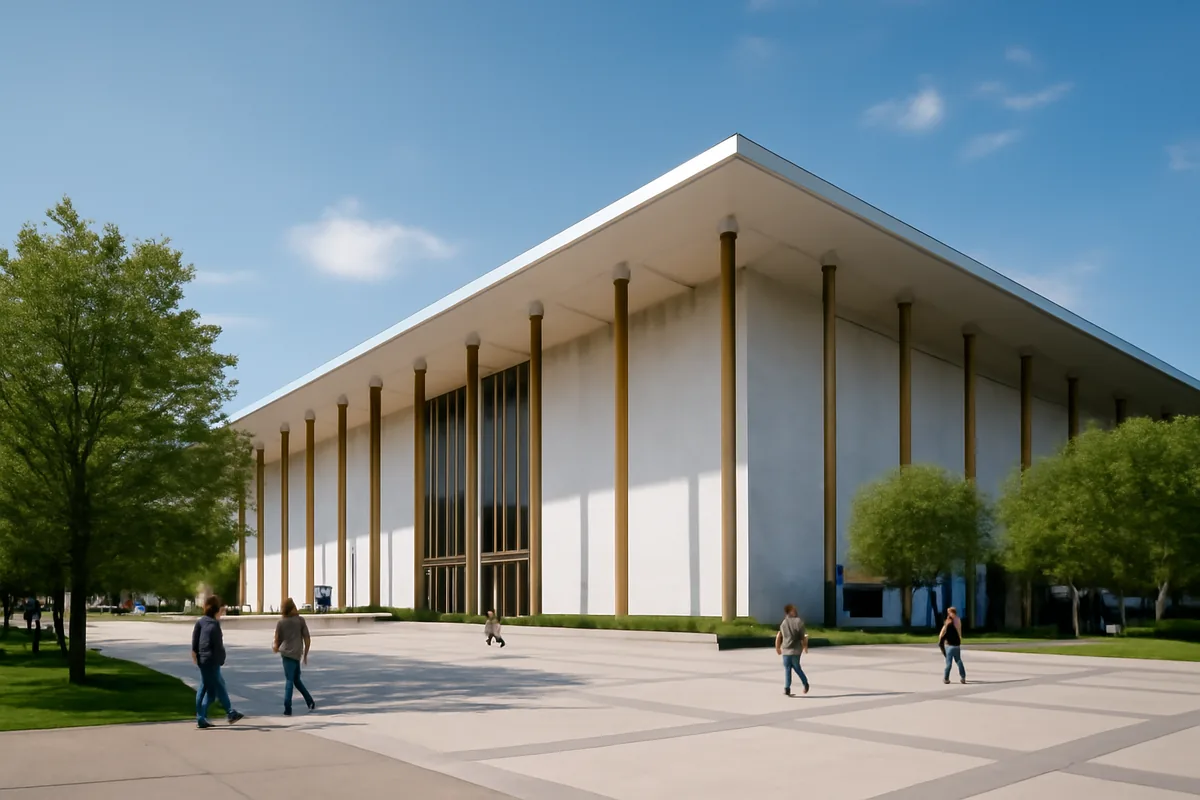
Blue Alerts in Texas: Understanding Their Purpose and Function
Discover the purpose and operation of Blue Alerts in Texas, a system designed to protect law enforcement officers.
Explore the importance of Hispanic Heritage Month, its origins, and the vital cultural contributions it celebrates.
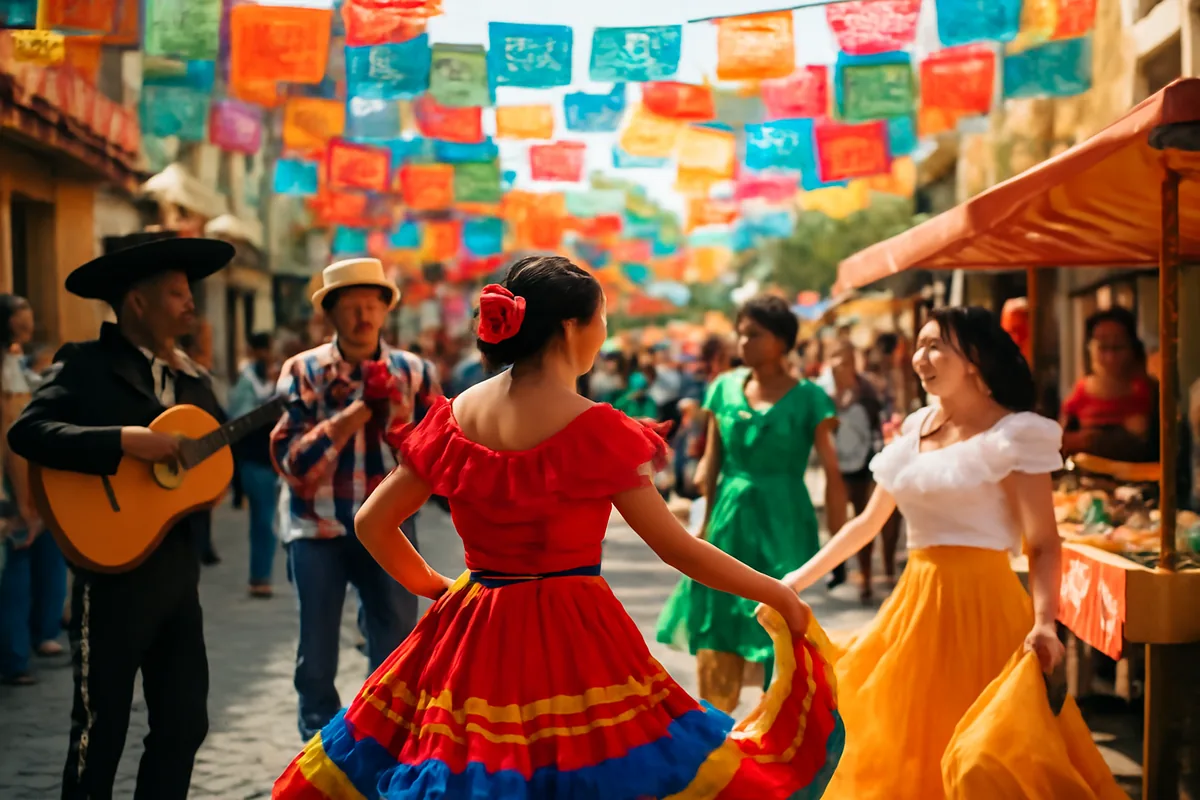
Hispanic Heritage Month, celebrated from September 15 to October 15, is a tribute to the rich history, culture, and contributions of Hispanic communities in the United States. The month-long observance highlights the influence of Hispanic culture on the nation's achievements and reflects on its significant historical milestones.
The origins of Hispanic Heritage Month trace back to 1968 when it was first introduced as National Hispanic Heritage Week. President Lyndon B. Johnson signed the initial proclamation, which designated a week of celebration, strategically starting on September 15. This date marks the independence anniversaries of five Central American countries: Costa Rica, El Salvador, Guatemala, Honduras, and Nicaragua[2][3].
In 1988, the observance was expanded to a 30-day period, thanks to legislation sponsored by Rep. Esteban Torres and amended by Senator Paul Simon. President Ronald Reagan signed it into law, and the first full month of celebration was proclaimed by President George H.W. Bush in 1989[2][5].
The month not only acknowledges these independence days but also includes Mexico's Independence Day on September 16 and Chile's on September 18. This period also coincides with Columbus Day or Día de la Raza on October 12, a day that celebrates the diverse Hispanic cultures and the blending of indigenous and European influences in the Americas[2].
Hispanic Heritage Month is vital for recognizing and honoring the diverse cultural contributions of Hispanic communities. It shines a light on the achievements and influence of Hispanic individuals in various sectors, including arts, politics, and sciences, which are often underrepresented in mainstream narratives. This observance fosters a sense of belonging and promotes cross-cultural exchange, emphasizing the importance of diversity and inclusion in building a more equitable society[3][5].
The celebration also serves as a reminder of the ongoing struggles and triumphs of Hispanic communities in the face of social and economic challenges. By acknowledging these contributions and challenges, the month encourages dialogue and understanding, which are crucial for fostering an inclusive society.
During Hispanic Heritage Month, celebrations include vibrant festivals, educational events, and cultural exhibitions. Communities across the country organize parades, concerts, and art displays to honor Hispanic traditions. Schools and cultural institutions often host workshops and lectures to educate people about the historical and cultural significance of Hispanic contributions. From salsa and mariachi music to the art of Frida Kahlo, these events showcase the rich tapestry of Hispanic culture[3][6].
Many cities host Latin food festivals where people can experience the diverse culinary traditions from various Hispanic cultures. For example, you might find empanadas from Argentina, tamales from Mexico, and arepas from Venezuela, each representing the unique flavors and cooking styles of their regions.
The timing of Hispanic Heritage Month is significant, encompassing several key historical dates:
These dates underscore the shared history of liberation and independence among Hispanic nations[2][3]. The inclusion of Día de la Raza as part of the celebrations highlights the importance of recognizing the mixed heritage and cultural diversity of Hispanic communities.
Hispanic communities have made substantial contributions to American society. In music, genres like salsa and reggaeton have gained global popularity. In literature, authors such as Gabriel García Márquez have brought Latin American narratives to the forefront. Politically, Hispanic leaders have played crucial roles in advocating for immigration reform and civil rights[4][5].
In science and innovation, Hispanic individuals have made significant strides. For instance, Dr. Ellen Ochoa became the first Hispanic woman to go to space, and she's also served as Director of the Johnson Space Center. Such achievements highlight the diverse talents and groundbreaking contributions of Hispanic Americans.
To celebrate Hispanic Heritage Month, consider participating in local events, supporting Hispanic-owned businesses, and engaging with cultural content. Educating oneself on Hispanic history and recognizing the diverse backgrounds within the Hispanic community enhances understanding and appreciation of its rich cultural legacy[5][6].
Here are some practical steps you can take:
Hispanic Heritage Month is a crucial celebration that acknowledges the profound impact of Hispanic culture on American society. Through understanding its history, recognizing contributions, and participating in celebrations, we can foster greater cultural appreciation and inclusivity. By engaging with and honoring the diverse traditions and histories of Hispanic communities, we pave the way for a more understanding and enriched society.
Hispanic Heritage Month is an annual celebration from September 15 to October 15 that honors the history, culture, and contributions of Hispanic communities in the United States.
September 15 marks the independence anniversaries of five Central American countries: Costa Rica, El Salvador, Guatemala, Honduras, and Nicaragua, making it a symbolic start for Hispanic Heritage Month.
It began as a week-long observance in 1968, established by President Lyndon B. Johnson, and was expanded to a month-long celebration in 1988 under President Ronald Reagan.
You can celebrate by attending cultural events, supporting Hispanic-owned businesses, and learning about Hispanic history and contributions through books, music, and art.
Hispanic communities influence American culture through diverse contributions in music, literature, art, politics, and many other areas, enriching the nation's cultural tapestry.
More from General.
Discover the purpose and operation of Blue Alerts in Texas, a system designed to protect law enforcement officers.
Mike Lee's block on the Kennedy Center bill raises questions about future funding and political tensions. Explore the potential impacts.
Explore the Starbucks Aerocano, an air-whipped iced espresso drink that's captivating coffee enthusiasts.