
Mike Lee Blocks Kennedy Center Bill: What's Next?
Mike Lee's block on the Kennedy Center bill raises questions about future funding and political tensions. Explore the potential impacts.
Discover the purpose and operation of Blue Alerts in Texas, a system designed to protect law enforcement officers.
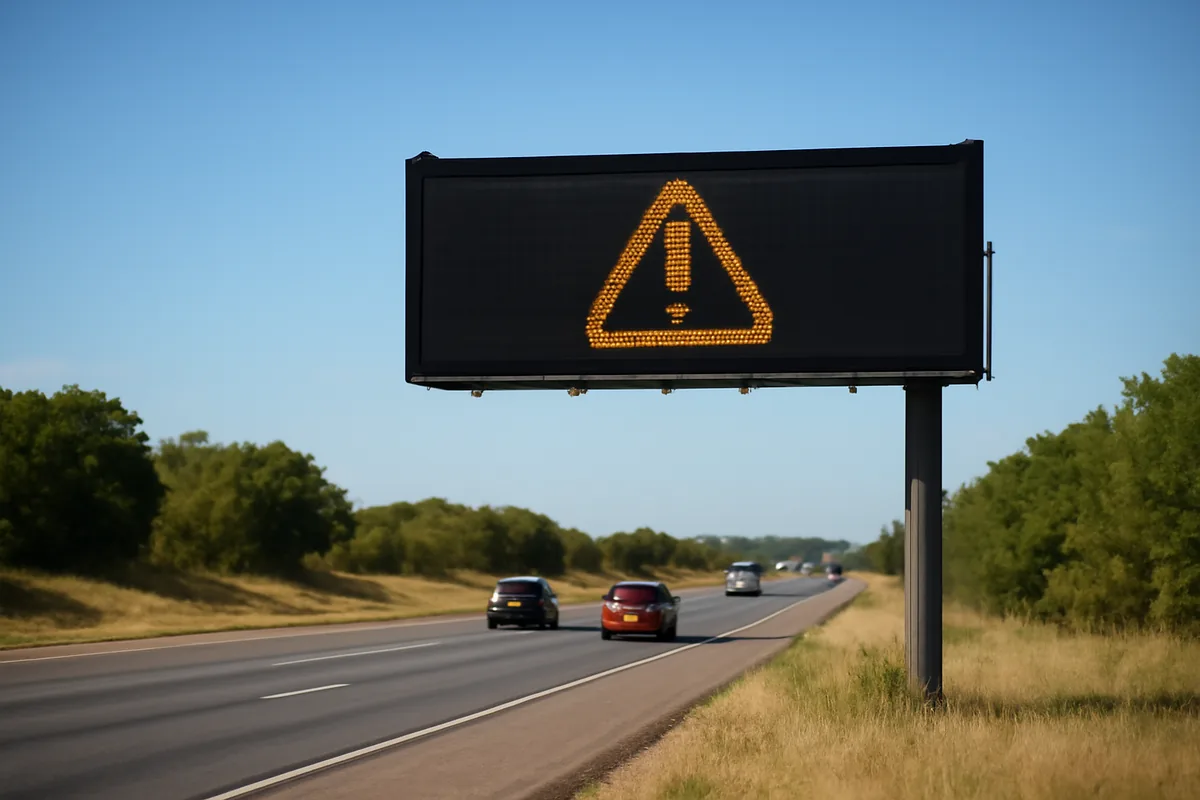
When a Blue Alert is issued in Texas, it signals an urgent effort to locate a suspect who poses a threat to law enforcement officers. Blue Alerts are part of a nationwide system designed to expedite information dissemination during incidents where officers are seriously injured or killed, or when there is a credible threat to their safety.
A Blue Alert is triggered in Texas under specific circumstances. It is activated when a law enforcement officer is killed, seriously injured, or goes missing in the line of duty. Additionally, a Blue Alert can be issued if a suspect poses an immediate and credible threat to law enforcement personnel. This system aims to engage the public's assistance in locating the suspect, thereby enhancing officer safety and community protection [3][4].
For a Blue Alert to be issued, several criteria must be met to ensure that the alert is both necessary and effective. First, there must be a confirmed crime involving a law enforcement officer, such as serious injury or fatality. The investigating agency must determine that the suspect poses a serious threat to the public and other officers. There must also be sufficient descriptive information available about the suspect or the suspect's vehicle to assist in locating them. These criteria ensure that alerts are only issued in situations where public assistance can make a significant difference [3].
The Blue Alert system in Texas utilizes various communication channels to rapidly disseminate critical information. Alerts are sent through mobile devices, television, radio, and highway message boards. This multi-platform approach ensures that the information reaches a wide audience quickly, enabling the public to assist in locating the suspect. The system functions much like AMBER Alerts, which are used for missing children, but specifically focuses on threats to law enforcement [5].
The dissemination of a Blue Alert involves several layers of communication. Once an alert is activated, it is transmitted through the Integrated Public Alert and Warning System (IPAWS), which sends out notifications to cell phones, broadcasts over television and radio, and posts messages on electronic highway signs. This redundancy increases the likelihood that the alert will reach someone who can provide useful information. The message typically includes a description of the suspect, any known vehicle information, and the last known location of the suspect [3][5].
Public involvement is crucial in the effectiveness of Blue Alerts. By quickly spreading details about the suspect and the situation, the public can provide tips or sightings that may lead to the suspect’s apprehension. This collective effort helps law enforcement agencies close in on suspects who might otherwise evade capture [5][6].
When citizens receive a Blue Alert, they are encouraged to be vigilant and report any sightings or information that might help locate the suspect. They should not attempt to intervene directly, as suspects are often considered dangerous. Instead, they should contact local law enforcement with any information they have. Communities can also participate by sharing the alert details through social media and other community networks to help spread awareness more quickly [6].
While Blue Alerts, AMBER Alerts, and Silver Alerts all serve public safety purposes, they each focus on different situations. AMBER Alerts are issued for abducted children, while Silver Alerts are for missing elderly persons or those with cognitive impairments. Blue Alerts specifically address threats against law enforcement. Each alert type is tailored to its audience and purpose, ensuring efficient communication tailored to the nature of the threat [5].
Each alert system is designed with its specific audience in mind. For instance, AMBER Alerts are often accompanied by a description of the child and abductor, if known, and are intended to mobilize the public quickly. Silver Alerts often include information about the missing person's medical condition or last known whereabouts to assist in a safe recovery. Blue Alerts focus on the suspect who poses a threat to officers, detailing descriptions that can help law enforcement and the public act swiftly [5].
A recent example of a Blue Alert in action occurred when a Harris County deputy was shot in the line of duty. The suspect, identified as Chase Layne Patin, fled the scene, prompting the issuance of a Blue Alert. It highlighted the immediate threat to law enforcement and engaged the public in the search, demonstrating how the system functions in real-time scenarios [1][2].
In this case, the Blue Alert was issued after a deputy was injured while responding to a domestic disturbance. The suspect managed to escape in a patrol car, increasing the urgency of the situation. The alert included descriptions of the suspect and the vehicle, and due to the rapid dissemination of information, law enforcement was able to recover the patrol car and continue their search for the suspect. Public tips were crucial in tracking the suspect’s movements and narrowing down potential locations [1][2].
The Blue Alert system is vital for officer safety and community security. By facilitating rapid information sharing, it helps prevent further harm and supports the swift resolution of dangerous situations. The program also serves as a reminder of the risks law enforcement officers face and the importance of community involvement in public safety [3][4].
Beyond aiding in the immediate capture of dangerous individuals, the Blue Alert system enhances overall community safety by fostering a collaborative relationship between law enforcement and the public. It underscores the importance of community vigilance and cooperation, acting as a deterrent to potential offenders who know that any attack on law enforcement will trigger an immediate and widespread search effort [3].
When you receive a Blue Alert, it is essential to pay attention to the details provided, such as suspect descriptions and vehicle information. If you have any information that could assist in the search, contact law enforcement immediately. Avoid approaching suspects as they may be dangerous [2][6].
By understanding and responding appropriately to Blue Alerts, citizens can play a crucial role in maintaining public safety and supporting law enforcement efforts to apprehend dangerous suspects [2][6].
A Blue Alert in Texas is an emergency notification issued to inform the public and law enforcement about a suspect who poses a threat to officers, often following an incident where an officer is killed or seriously injured.
A Blue Alert is issued when a law enforcement officer is killed, seriously injured, goes missing in the line of duty, or when a suspect poses a credible threat to officers.
The system disseminates information through mobile phones, TV, radio, and highway signs, quickly reaching the public to aid in locating suspects posing threats to law enforcement.
The public can assist by staying alert to the details provided, reporting sightings or tips to law enforcement, and not approaching suspects as they may be dangerous.
While both alert systems use similar dissemination methods, Blue Alerts focus on threats to law enforcement, whereas AMBER Alerts are used for locating abducted children.
More from General.
Mike Lee's block on the Kennedy Center bill raises questions about future funding and political tensions. Explore the potential impacts.
Explore the Starbucks Aerocano, an air-whipped iced espresso drink that's captivating coffee enthusiasts.
Discover the 2026 winter forecast for heavy snow in the USA. Learn which regions might be impacted and how to prepare.