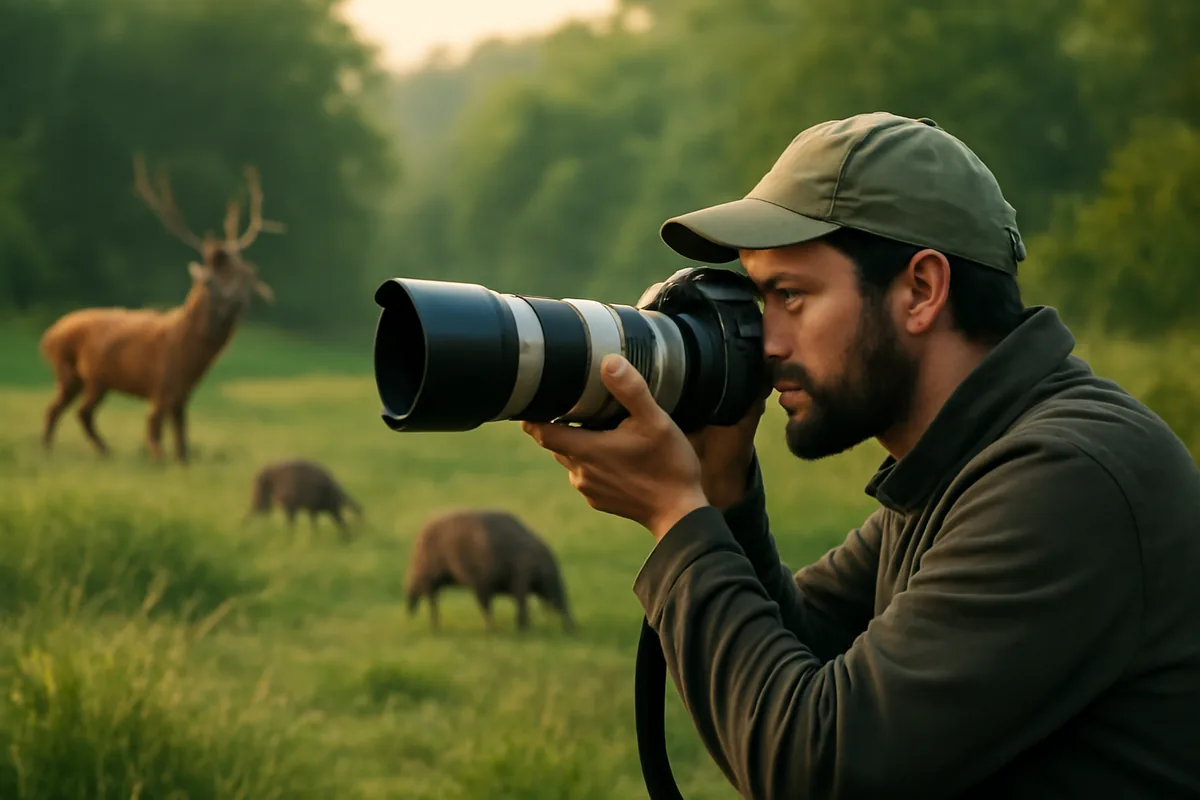
Wildlife photography requires a combination of patience, skill, and the right techniques to capture stunning shots. In 2026, photographers continue to push the boundaries, capturing images that tell powerful stories of the natural world.
What Equipment Do You Need for Wildlife Photography?
Investing in the right equipment is crucial. A DSLR or mirrorless camera with fast shutter speeds and a long focal length lens is ideal for capturing detailed wildlife images. Tripods or monopods can stabilize shots, especially when using heavy lenses. Many photographers also recommend a good pair of binoculars for spotting distant subjects.
Recommended Equipment
- Cameras: High-resolution DSLR or mirrorless models are preferred for wildlife photography. Models such as the Canon EOS R5 or the Nikon Z9 are popular choices, offering excellent image quality and fast autofocus systems necessary for capturing moving subjects.
- Lenses: Telephoto lenses with focal lengths of at least 300mm are essential. For distant subjects, consider lenses like the Canon RF 100-500mm or the Nikon 200-500mm, which provide flexibility in framing your shots while maintaining image sharpness.
- Accessories: Tripods and monopods help stabilize your camera, particularly when using long lenses. Brands like Manfrotto and Gitzo offer sturdy options. Binoculars are crucial for spotting subjects at a distance; models with magnifications around 8x42 strike a good balance between size and performance.
Additional Considerations
- Camera Traps: For capturing elusive or nocturnal wildlife, camera traps can be invaluable. These devices automatically trigger the camera when motion is detected, allowing for candid shots of wildlife.
- Drones: In certain contexts, drones equipped with cameras can provide unique aerial perspectives. However, be sure to comply with local regulations and ensure wildlife is not disturbed.
How Can You Improve Your Wildlife Photography Skills?
Enhancing your skills involves experimenting with different angles and lighting conditions. Spend time observing animals to understand their behaviors, which can lead to more intimate and engaging photographs. Consider workshops or courses tailored to wildlife photography techniques.
Key Techniques
- Patience and Timing: Waiting for the right moment to capture authentic behavior is key. For instance, observing a pride of lions may require hours of waiting for a dramatic interaction or a unique display of behavior.
- Lighting: Utilize the golden hours—just after sunrise and before sunset—when natural light is soft and warm, adding depth and mood to your photos.
- Composition: Employ the rule of thirds and leading lines to create dynamic images. For example, positioning an animal on a third of the frame can create balance and guide the viewer’s eye through the scene.
Advanced Techniques
- Backlighting: Experiment with backlighting to create silhouettes or highlight the outline of the subject, adding a dramatic effect to your images.
- Action Shots: To capture fast-moving animals like birds or mammals in motion, use continuous shooting mode to increase your chances of getting the perfect shot.
- Post-Processing: Use software like Adobe Lightroom or Photoshop to enhance your images. Techniques such as cropping, adjusting exposure, or enhancing colors can transform a good photo into a great one.
What Are the Latest Trends in Wildlife Photography 2026?
Current trends include capturing emotional narratives and integrating conservation messages into images. As seen in the 2026 Wildlife Photographer of the Year contest, winning photos often depict the complex behaviors and emotions of animals, offering insights into their inner lives[1][2].
Noteworthy Trends
- Emotional Storytelling: Images that convey deep animal emotions resonate deeply. For instance, a photograph capturing a chimpanzee's expression during a rainstorm can evoke empathy and connection.
- Conservation Focus: Highlighting environmental issues through photography has gained prominence. Images that showcase the impact of deforestation or climate change raise awareness and encourage conservation efforts.
- Unique Perspectives: Photographers are exploring new perspectives, such as eye-level shots and creative use of focus. Capturing a beetle at ground level, as highlighted by a recent award-winning photograph, showcases the subject’s struggle and strength in its everyday tasks[2].
Technology and Innovation
- AI in Photography: Artificial intelligence is increasingly used to enhance wildlife photography. AI tools can assist in identifying species, analyzing animal movements, and optimizing camera settings for the best shots.
- Virtual Reality: VR technology is being used to create immersive experiences, allowing viewers to explore wildlife habitats in a simulated environment, which can enhance understanding and appreciation of the natural world.
How to Capture Award-Winning Wildlife Photos?
To create award-winning images, focus on storytelling. Images that evoke emotions or reveal an aspect of animal life often resonate with judges and audiences alike. Federico Veronesi's photograph of an elephant carrying a deceased calf was celebrated for its emotional depth and complexity[1][2].
Steps to Success
- Research and Plan: Before heading to a location, research the species you hope to photograph. Understanding their habits and habitats increases your chances of capturing unique behaviors.
- Be Persistent: Award-winning shots often require multiple attempts. Consistent effort and returning to the same location can yield surprising opportunities.
- Capture the Unseen: Aim to photograph behaviors or moments that are not commonly seen. This could mean documenting rare interspecies interactions or the tender moments between animals.
Case Studies
- Federico Veronesi: His patience and understanding of elephant behavior allowed him to capture a deeply moving image that highlights the emotional capacity of animals. The image’s success underscores the importance of anticipating and capturing unique animal behaviors.
What Challenges Do Wildlife Photographers Face?
Photographers often contend with unpredictable weather, elusive subjects, and the need for ethical practices. It's essential to respect wildlife and their habitats, maintaining a safe distance and minimizing disturbances.
Overcoming Challenges
- Weather Preparedness: Wildlife photographers must be prepared for all weather conditions. Having waterproof coverings for your equipment and dressing in layers can make long hours in the field more manageable.
- Ethical Practices: Respect for wildlife is paramount. Avoid baiting animals or disturbing their habitats for a shot. Use lenses that allow you to maintain a safe distance.
- Patience: Develop resilience to capture rare moments. Sometimes, the best shots come after hours of waiting quietly in a single location.
Ethical Considerations
- Leave No Trace: Follow principles that ensure habitats remain undisturbed. This includes packing out all trash and avoiding damage to vegetation.
- Cultural Sensitivity: When photographing in areas inhabited by indigenous communities, ensure you have permission and respect local customs and traditions.
How to Get Started with Wildlife Photography?
For beginners, start locally by visiting parks or nature reserves to practice and hone your skills. Experiment with different techniques and study the works of established photographers to gain inspiration.
Beginner Tips
- Start Small: Practice in local parks or zoos where you can observe animals up close and learn their behaviors without the pressure of a wild setting.
- Learn: Study animal behavior and photography principles. Books, documentaries, and online resources can provide valuable insights into wildlife behavior and ecology.
- Practice: Constantly refine your skills through regular shooting. Use everyday opportunities to practice techniques such as panning or capturing movement.
Building a Portfolio
- Diverse Subjects: Include a variety of species and environments in your portfolio to showcase your versatility.
- Thematic Consistency: Consider focusing on a particular theme or story that runs through your portfolio, such as endangered species or urban wildlife.
Wildlife photography in 2026 continues to evolve, combining artistry with a message about the natural world. By following these tips and embracing both technical and creative aspects, you can capture images that not only stand out but also contribute to the important dialogue about conservation and the beauty of wildlife.
Sources
- 16 Striking Photos From This Year’s Best Wildlife Photographers - National Geographic
- Pictured: Winning entries for Wildlife Photographer of the Year 2026 - BBC
Frequently asked questions
What are essential wildlife photography tips for beginners?
Start with basic equipment, practice in local settings, and study animal behavior. Use natural lighting and experiment with angles to improve your skills.
How do you capture wildlife photos that tell a story?
Focus on the emotions and behaviors of the animals. Patience and observing the natural interactions can lead to compelling storytelling through your images.
What equipment is recommended for wildlife photography?
Use a high-resolution DSLR or mirrorless camera with a telephoto lens of at least 300mm. Tripods or monopods help stabilize shots, and binoculars assist in spotting.
How can I improve my wildlife photography techniques?
Attend workshops, experiment with different compositions and lighting, and study the works of renowned wildlife photographers for inspiration.
What are the current trends in wildlife photography?
Trends include emotional storytelling, conservation-focused images, and using unique perspectives to highlight the complexity and beauty of wildlife.