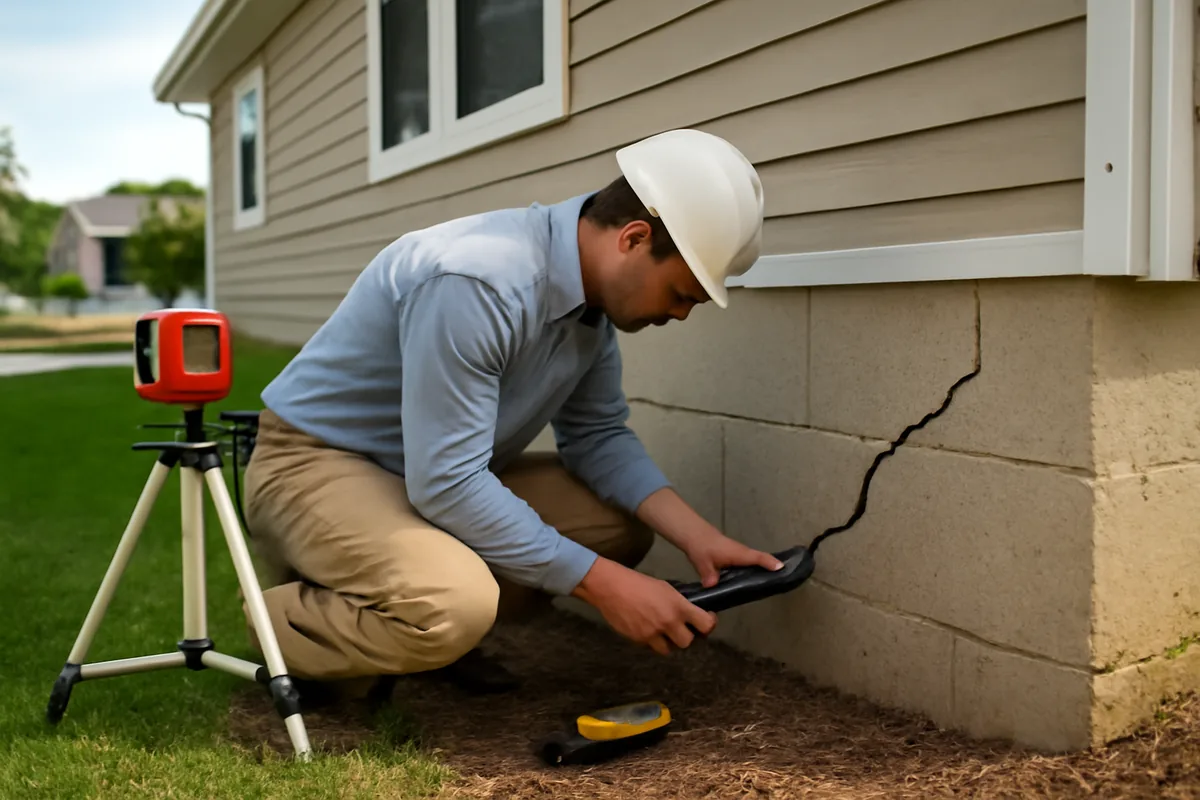
What a Home Survey Checks in 2026: Key Inspection Points
Explore the essential components of a home survey in 2026, with insights into key inspection points and evolving property standards.
Compare the costs of renting versus buying in 2026. Discover key factors that influence your decision, backed by market data and financial insights.
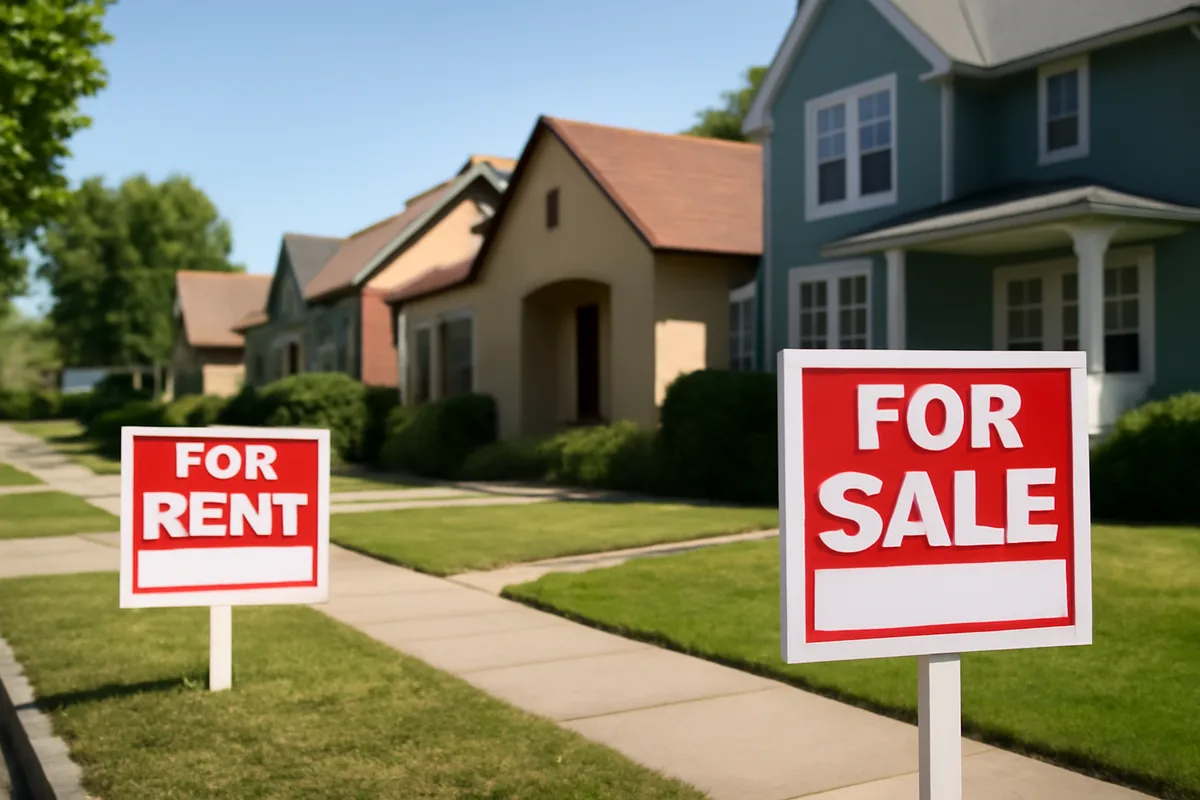
When considering whether to rent or buy in 2026, understanding the cost implications is crucial. Deciding between renting and buying involves evaluating market trends, financial forecasts, and personal circumstances to determine which option is more economical.
In 2026, several factors sway the decision between renting and buying. Mortgage rates, which hover around 6.5% to 7%, and elevated home prices play significant roles. In high-cost areas like San Francisco or New York City, renting might be financially advantageous due to high price-to-rent ratios, often exceeding 20, where renting can outperform buying [1][4]. However, in more affordable cities like Houston or Phoenix, the break-even point for buying is shorter, typically 3-5 years [1].
The price-to-rent ratio is a key metric in this decision-making process. It is calculated by dividing the median home price by the annual rent of a similar property. A ratio above 20 often suggests renting is more favorable, while a ratio below 15 typically indicates buying is advantageous [4][5]. For example, in New York City, with a price-to-rent ratio of 25, renting is generally the better option. In contrast, a city like Cleveland, with a ratio of 13.5, often favors buying due to the quicker accumulation of equity and lower initial costs relative to the rent.
Geographic location significantly impacts the rent vs. buy decision. In markets with rapid home appreciation, such as San Diego, homeowners who bought in 2019 have witnessed a 40–60% appreciation over five years [5]. Conversely, in areas with slower appreciation, renting might remain more practical, especially if rent increases stay moderate.
The break-even point is the year when the total cost of buying becomes cheaper than renting. Calculators available online allow you to input variables like home price, mortgage rate, rent, and investment returns to simulate outcomes over time. For many, buying is advantageous if they plan to remain in their home for more than 5 years, amortizing the upfront costs of buying [2][3].
Consider a scenario where the monthly rent is $1,800, and a comparable home costs $350,000. With a mortgage rate of 6.5% over 30 years, the monthly mortgage payment would be approximately $2,212, not including taxes and insurance. Over 10 years, the total rent paid would be around $240,000, assuming a 3% annual increase. Conversely, buying the home with a 20% down payment would result in a total cash outlay of approximately $116,377 net of equity, making buying potentially more cost-effective in the long run if you remain in the home for more than 5 years [2][3].
When buying a home, the down payment is a significant factor. If, instead of tying up $80,000 in a home, you invest it with a 7% return, it could grow to $157,000 over 10 years [1]. This potential for compounded growth represents an opportunity cost of choosing homeownership over renting.
In certain cities with rent control laws, such as New York City, renters may benefit from stable rent prices, making long-term renting more attractive. However, these laws can also lead to reduced availability of rental units and decreased motivation for landlords to maintain properties.
A frequent mistake among buyers is underestimating the total costs of homeownership. Beyond the mortgage, property taxes, insurance, and maintenance can add up to 5% of the home's value annually [4]. Prospective buyers should also consider potential future interest rate hikes that could affect refinancing options.
Homeownership is a complex financial decision. While buying can lead to wealth accumulation through equity and appreciation, it also ties up capital that could otherwise be invested. For renters, investing the equivalent of a down payment can yield financial returns, but this requires discipline and market knowledge [3][6].
If a renter invests the $80,000 down payment at a 5% annual return, it could grow to approximately $130,000 over ten years. This investment could potentially cover future rent increases, making renting a viable long-term strategy if disciplined investing habits are maintained [3].
The 2026 housing market is characterized by rising prices and competitive mortgage rates. In regions where home values appreciate significantly, buying can become more attractive due to the potential for capital growth. However, in markets with modest appreciation, renting may be more favorable, particularly if rent increases remain moderate [5].
Interest rates are a crucial factor influencing the rent vs. buy decision. Higher mortgage rates increase the cost of borrowing, potentially making renting more attractive. Conversely, lower rates can tip the scales towards buying by reducing monthly payments and increasing affordability.
Online rent vs buy calculators are invaluable for personalizing your financial analysis. These tools factor in variables like rent, home prices, mortgage rates, and expected investment returns, allowing you to weigh both options accurately against your circumstances [1][2][5].
These calculators provide a comprehensive view, considering not just the monthly payments but also the long-term financial impacts of each decision.
In 2026, the cost of renting versus buying is influenced by mortgage rates (around 6.5% to 7%), home prices, and the price-to-rent ratios in different areas. High-cost cities like San Francisco might favor renting, while more affordable cities like Houston may have a shorter break-even point for buying.
The break-even point is when buying becomes cheaper than renting. It can be calculated using online tools that account for home price, mortgage rate, rent, and investment returns. Generally, buying is more advantageous if you plan to stay in the home for more than 5 years.
Pros of renting include flexibility, lower initial costs, and maintenance covered by landlords. Cons include no equity building, potential rent increases, and limited control over property modifications. Renting is often more favorable in high-cost areas where price-to-rent ratios exceed 20.
In 2026, rising home prices and competitive mortgage rates influence the rent vs buy decision. In regions with significant home value appreciation, buying may be more attractive for capital growth. Renting might be favorable in markets with modest appreciation and moderate rent increases.
More from Home & Property.
Explore the essential components of a home survey in 2026, with insights into key inspection points and evolving property standards.
Discover vibrant and unique neighborhoods across the globe for 2026, offering diverse cultures and lifestyles.