
Exploring the Coolest Neighborhoods Around the World in 2026
Discover vibrant and unique neighborhoods across the globe for 2026, offering diverse cultures and lifestyles.
Explore the essential components of a home survey in 2026, with insights into key inspection points and evolving property standards.
When buying or selling a property, knowing what a home survey checks in 2026 is crucial. This ensures you understand the condition of the home and any potential issues.
Home surveys in 2026 cover a wide range of inspection points, ensuring both buyers and sellers have a comprehensive understanding of the property's condition. With the increasing complexity of homes and the integration of advanced technologies, surveyors have adapted to meet these challenges with more detailed assessments.
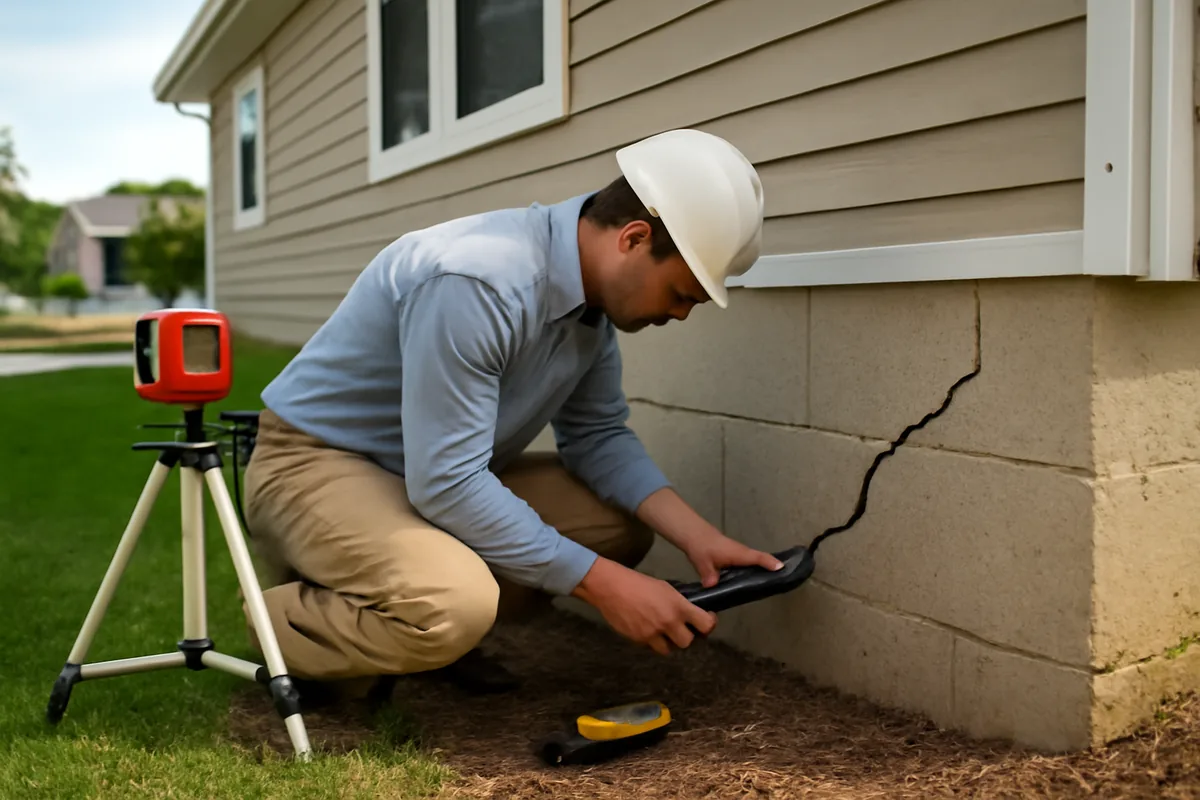
Inspectors check the structural integrity of the building, focusing on the foundation, walls, and roof. Issues such as cracks, subsidence, or moisture ingress can indicate significant problems, potentially affecting a property's value. For instance, a minor crack in a foundation might be benign, but could also indicate foundation movement, prompting further investigation. Surveyors often use tools like laser levels and moisture meters to detect subtle shifts or dampness that aren't visible to the naked eye.
A detailed assessment might reveal if a crack is a result of seasonal changes or a more severe issue like soil erosion under the foundation. The 2026 standards require surveyors to include photographic evidence, measurements, and a risk assessment of potential future problems based on current findings.
The safety and functionality of electrical wiring and plumbing are critical inspection areas. Inspectors ensure systems meet current safety standards and identify outdated or hazardous components that may require replacement or repair. For electrical systems, surveyors check the age and capacity of the electrical panel, the condition of wiring, and the presence of safety features like circuit breakers. In older homes, knob-and-tube wiring or aluminum wiring might be identified as risks requiring updates.
Plumbing inspections go beyond checking for leaks; surveyors consider the material of pipes, which can indicate potential issues. For example, homes with lead pipes may require a complete overhaul to meet modern safety standards due to health risks. The presence of polybutylene piping, which is prone to leaks, is another red flag.
An evaluation of HVAC systems ensures they operate efficiently and safely. Inspectors look for signs of wear, malfunction, or non-compliance with regulations, which can impact energy consumption and safety. They assess the age of the systems, maintenance history, and the condition of components like filters and ductwork.
In 2026, energy efficiency is a priority, so systems that do not meet minimum SEER (Seasonal Energy Efficiency Ratio) ratings might be flagged. This is crucial as inefficient systems can lead to higher energy bills and reduced comfort levels in the home.
Energy efficiency has become a key focus. Inspections include the evaluation of insulation levels and window quality, assessing the property's ability to retain heat and reduce energy costs. Surveyors use thermal imaging cameras to detect heat loss areas, ensuring insulation is adequate in attics, walls, and floors.
Windows are checked for double or triple glazing, which provides better insulation. The use of outdated single-pane windows may be noted as a recommendation for replacement to improve energy efficiency and comfort.
Potential environmental hazards, such as asbestos, lead paint, or mold, are assessed during the survey. These can pose health risks and may require costly remediation. Inspectors are trained to spot signs of mold growth or water damage that could lead to mold, using moisture meters and air quality tests to identify less obvious problems.
In 2026, there's also a focus on checking for radon gas, a naturally occurring radioactive gas that can accumulate in homes and pose serious health risks. Surveyors might perform short-term radon tests to identify any presence of this gas.
The survey also includes an examination of exterior elements like driveways, drainage, and fencing. Proper maintenance of these can prevent future issues such as water damage or boundary disputes. For example, surveyors check the grading of the land around the foundation to ensure proper drainage away from the home.
They also assess the condition of fences and gates, which can affect security and privacy. The condition and material of driveways are evaluated for potential repairs or replacement needs, which can be costly if not addressed.
Understanding the specific elements checked during a home survey helps in making informed decisions. Surveys reveal hidden issues that might not be visible during a general viewing, offering protection against unforeseen repair costs. They also provide a negotiating tool; if significant repairs are needed, the buyer may request a lower price or have repairs made before purchase.
For sellers, a home survey can uncover issues that might affect the sale, allowing them to address problems before listing, potentially increasing the property's market value.
Regulatory changes and advances in building technology have influenced inspection criteria. Inspectors are now more equipped with technology that provides precise assessments, leading to more accurate reports. Drones, for example, are increasingly used to inspect roofs and difficult-to-access areas, providing high-resolution images that can reveal damage invisible from the ground.
Advancements in digital reporting allow surveyors to include detailed multimedia evidence and interactive models of their findings, making it easier for clients to understand issues and recommendations.
Here's a quick checklist to ensure your property is thoroughly inspected:
Having a clear understanding of what a home survey checks in 2026 helps you better prepare for the home buying or selling process. By knowing the key inspection points, you can ensure the property is safe, compliant, and worth its value. This knowledge empowers buyers and sellers to make informed decisions, negotiate effectively, and avoid costly surprises post-purchase.
A 2026 home survey checks structural integrity, electrical and plumbing systems, HVAC efficiency, energy insulation, environmental hazards, and exterior conditions.
A home survey reveals hidden defects, ensuring informed buying or selling decisions, preventing costly repairs, and confirming property compliance with safety standards.
Home surveys now incorporate advanced technology for precise assessments and have evolved to meet updated safety regulations and energy efficiency standards.
Surveys assess for asbestos, lead paint, mold, and other hazards that pose health risks and might require remediation.
Yes, modern surveys evaluate insulation and window quality to assess a property's energy efficiency, which can impact utility costs.
More from Home & Property.
Discover vibrant and unique neighborhoods across the globe for 2026, offering diverse cultures and lifestyles.