
Retainer vs Project Pricing: Best Fit for Your Business in 2026
Explore retainer and project pricing models to find the best fit for your business in 2026. Understand their benefits and drawbacks.
Explore the exciting updates and trends reshaping drive-thru menus in 2026, from tech to healthier options.
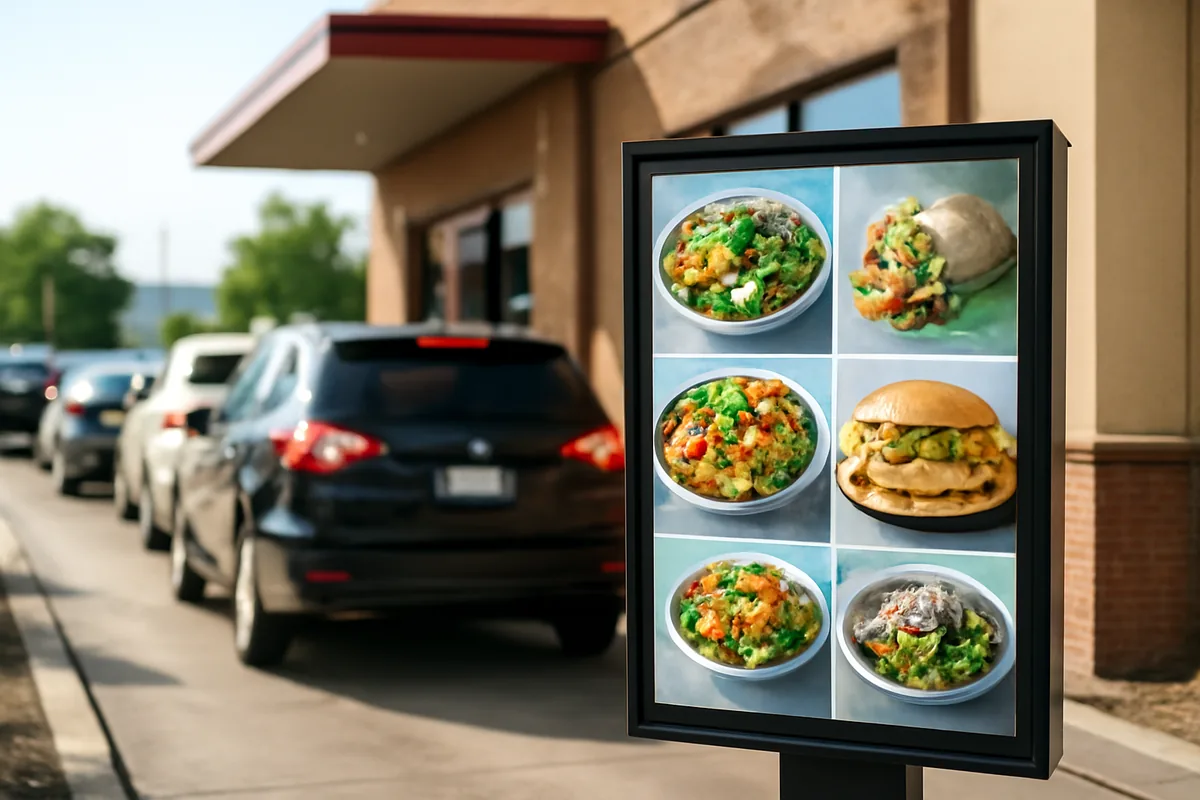
Drive-thru menus in 2026 are undergoing significant transformations driven by consumer health trends and technological advancements. As fast food chains adapt, expect to see changes that prioritize efficiency and wellness.
In 2026, the influence of health trends is notably reshaping fast food offerings. A marked shift from supersized portions to smaller, protein-rich meals reflects the impact of GLP-1 weight-loss medications, which reduce appetite and highlight the need for balanced nutrition[1]. This trend is not just about reducing portion sizes but also about enhancing the nutritional value of meals. Fast food giants like McDonald's are responding with menu items that cater to these health-conscious consumers, such as grilled chicken wraps and protein-focused selections[2].
Beyond protein, there is also a growing demand for meals that accommodate various dietary restrictions, such as gluten-free and plant-based options. The emphasis on health means that menus are increasingly reflecting consumer demand for transparency and quality ingredients. This shift is supported by consumer data showing a growing preference for meals that align with a healthier lifestyle, a trend that's been bolstered by the increase in GLP-1 medication users, which reportedly includes about 11% of U.S. adults by 2026[2].
Technological innovation is a key factor in modernizing drive-thrus. AI-powered voice ordering is becoming a standard feature across major chains like McDonald's, enhancing accuracy and efficiency[4]. These systems are equipped to handle complex orders and adapt to regional accents, making them incredibly versatile. This shift to automated systems involves significant investment but promises a quicker return by reducing labor costs and improving order accuracy.
Additionally, dual lane drive-thrus are being adopted to manage increased traffic, effectively reducing wait times and boosting customer satisfaction[6]. The introduction of digital menu boards allows for dynamic adjustments based on time of day, inventory levels, and promotional needs, making the drive-thru experience more engaging and tailored to customer preferences[6]. These boards can display real-time information, suggest upsells based on past customer behavior, and even highlight nutritional information, aligning with the health-conscious trends.
Predictive analytics is another technological advancement being integrated into drive-thru operations. By analyzing historical data, restaurants can optimize staffing levels and ingredient stock, reducing waste and improving service efficiency. These systems can predict peak times, ensuring that additional lanes or staff are available as needed, further enhancing the customer experience.
Consumers can look forward to more diverse and healthier menu options. McDonald's, for instance, is exploring new offerings like crispy chicken bowls and egg bites, emphasizing portion control and high protein content[3]. These options not only cater to health trends but also to a variety of dietary preferences, such as low-carb and keto diets.
The introduction of digital menu boards means that menus can be updated in real-time. This allows for promotions that are responsive to current trends, such as plant-based Mondays or protein-focused Wednesdays. Digital boards also enable drive-thrus to offer personalized menu suggestions based on previous visits, leveraging customer data to enhance the dining experience.
Drive-thrus represent a significant revenue stream for quick-service restaurants, driving approximately 70% of sales in the U.S.[4]. The pandemic accelerated the demand for off-premises options, and the trend has continued as digital ordering and speed remain priorities for consumers[5]. Investing in drive-thru technology not only enhances customer experience but also addresses operational challenges like rising labor costs.
Fast food chains are investing heavily in drive-thru technology to maintain competitiveness amid economic pressures. With substantial investments in AI and digital infrastructure, companies can streamline operations and reduce reliance on human labor over time[4]. This strategic focus is essential as brands like McDonald's allocate billions to modernize their offerings and facilities[2].
The financial implications of these innovations are substantial. For instance, the cost of installing AI voice systems ranges from $30,000 to $50,000 per location, with ongoing fees adding another $1,000 to $2,000 monthly[4]. However, the potential savings from reduced labor costs and increased efficiency can offset these expenses. The AI system can pay for itself in 18-24 months if it fully replaces one position.
The fast-food market is witnessing a shift where drive-thrus are no longer just an added convenience but a critical competitive advantage. Brands that optimize their drive-thru operations to be faster and more efficient will likely dominate in a market where speed and convenience are key[5].
In 2026, drive-thru menus reflect broader shifts in consumer behavior and technological capability. The focus on health-conscious options and efficient service underscores the industry's commitment to meeting evolving customer demands. As these innovations continue to roll out, they promise to redefine the fast-food experience for years to come.
Drive-thru menus in 2026 are focusing on smaller, healthier portions with protein-rich options. Technology like AI voice ordering and dual lanes is also enhancing speed and accuracy.
AI in drive-thrus improves order accuracy and efficiency by automating the ordering process. It reduces labor costs and accelerates service, offering a better customer experience.
The shift towards healthier menu options is driven by consumer demand for wellness, influenced by weight-loss medications that reduce appetite and necessitate balanced nutrition.
Drive-thrus account for about 70% of fast food revenue in the U.S., making them a crucial component for quick-service restaurants to remain competitive and profitable.
Drive-thrus are adopting AI-powered ordering systems, digital menu boards, and dual lane designs to enhance speed, accuracy, and customer satisfaction in 2026.
More from Business & Marketing.
Explore retainer and project pricing models to find the best fit for your business in 2026. Understand their benefits and drawbacks.
Learn strategies to craft cold emails in 2026 that improve response rates and effectively engage recipients.
Learn effective strategies for pricing your service business in 2026 without relying on guesswork.