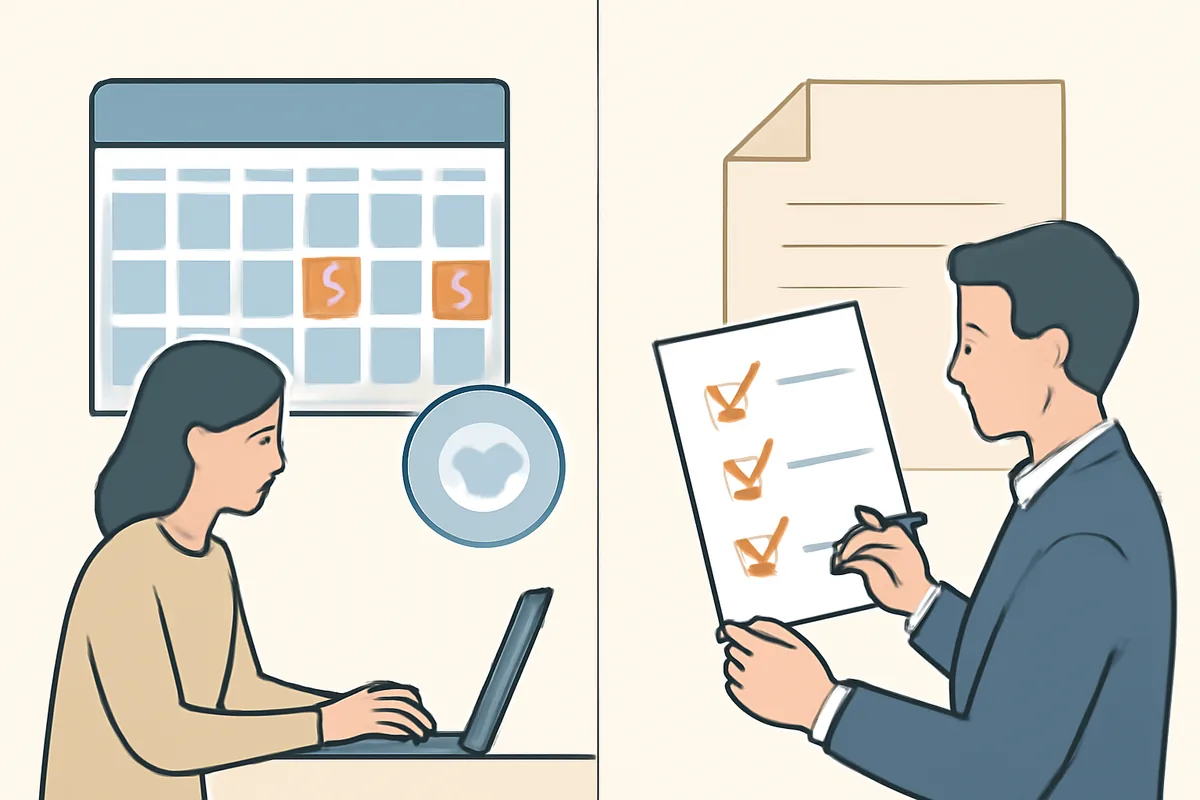
Retainer vs Project Pricing: Best Fit for Your Business in 2026
Explore retainer and project pricing models to find the best fit for your business in 2026. Understand their benefits and drawbacks.
Learn strategies to craft cold emails in 2026 that improve response rates and effectively engage recipients.
Crafting a cold email that gets a reply in 2026 requires understanding current communication trends and tailoring your approach accordingly. With the continued evolution of digital communication, standing out in a crowded inbox is more challenging than ever.
The key to an effective cold email is personalization combined with brevity. Addressing the recipient by name and demonstrating an understanding of their needs or interests can increase the likelihood of a response. A recent survey revealed that emails with personalized subject lines are 26% more likely to be opened than those without [1]. Keeping your message concise respects the recipient's time and increases the chances of your email being read fully.
Timing plays a crucial role in how your email is received. Studies have shown that emails sent on Tuesdays and Thursdays tend to have higher open rates. This pattern suggests that recipients are more likely to have the mental bandwidth to consider new proposals mid-week when they are settled into their work routine. Conversely, emails sent on weekends often get lost as people try to clear their inboxes on Monday mornings.
Personalization is crucial. Research your recipient thoroughly. Begin by examining their professional profiles on platforms like LinkedIn, or by reading articles they've published. Mention a specific detail about their work or recent achievements to show you’ve done your homework. For example, if they have been recognized for a project or initiative, referencing this can demonstrate your genuine interest and help build rapport.
Several tools can aid in personalizing your cold emails. Platforms like LinkedIn Sales Navigator or Hunter.io can provide insights into a recipient's professional background and help you tailor your message more effectively. Using these tools, you can gather data about a recipient’s recent activities, such as projects or company developments, and incorporate these into your email.
Consider the following examples:
A/B testing can be as simple as changing the subject line or even the call-to-action phrases. For example, testing "Schedule a meeting" versus "Would you be open to a brief call?" can help determine which approach yields better results.
Enhance your email's appeal by including a professional signature, ensuring your social media profiles are up-to-date, and maintaining a professional online presence. Consider leveraging email tracking tools like Yesware or Mailtrack to gauge engagement and adjust your strategy accordingly. These tools can provide insights such as when your email was opened and if it was forwarded.
Incorporate AI-based tools that can predict the best times to send emails or adjust the tone of your message based on the recipient's profile. These tools can optimize your chances of getting a response by aligning your communication style with the recipient's preferences.
Another common mistake is failing to follow up. Many successful cold emailers attribute their success to persistent, yet polite, follow-up emails. A well-timed follow-up can remind the recipient of your offer without appearing pushy.
| Example | Element | Description |
|---|---|---|
| 1 | Subject Line | "Can We Collaborate on [Project]?" |
| 2 | Opening | "I enjoyed your recent article on [Topic]." |
| 3 | Body | "I believe our expertise in [Field] could benefit your project." |
For each example, consider why each element works. A subject line asking for collaboration directly engages the recipient's interest in potential new ventures. The opening line that references specific content the recipient has produced shows personalized attention and respect for their work.
Success in cold emailing is not just about response rate. Monitor metrics such as open rates, click-through rates, and the quality of responses received. Tracking metrics over time can help identify trends and refine your email strategy.
To delve deeper, consider using tools that provide heat maps of where recipients click within your email or segmenting your audience to tailor emails more specifically. These insights can reveal which parts of your email are most engaging and whether your call to action is effective.
Staying updated on the latest trends and adapting your approach will ensure your cold emails remain effective in 2026 and beyond. Being adaptable and willing to evolve your strategies is key to maintaining high engagement rates in an ever-changing digital landscape. [1]
A cold email should include a personalized subject line, a brief introduction, a clear purpose, and a call to action, all while keeping the message concise.
Increase your response rate by personalizing each email, sending them at optimal times, following up politely, and using email tracking tools to adjust your strategy.
Avoid generic messages, complex jargon, and grammatical errors. Ensure emails are personalized, concise, and sent at appropriate times.
Send a follow-up email after a week if you haven't received a response. Keep the follow-up polite and to the point, without being pushy.
Personalization shows you’ve researched the recipient, making your email stand out and increasing the likelihood of a response by building rapport.
More from Business & Marketing.
Explore retainer and project pricing models to find the best fit for your business in 2026. Understand their benefits and drawbacks.
Learn effective strategies for pricing your service business in 2026 without relying on guesswork.
Discover what's in store for Oreo's 2027 relaunch, with new flavors, packaging, and strategic innovations.