
Is Teaching Cursive Handwriting Still Worthwhile in 2026?
Discover the role of cursive handwriting in education today. Learn about its benefits for cognitive development and historical literacy.
Discover the cultural and religious significance of Yom Kippur, its traditions, and its impact on the Jewish community.
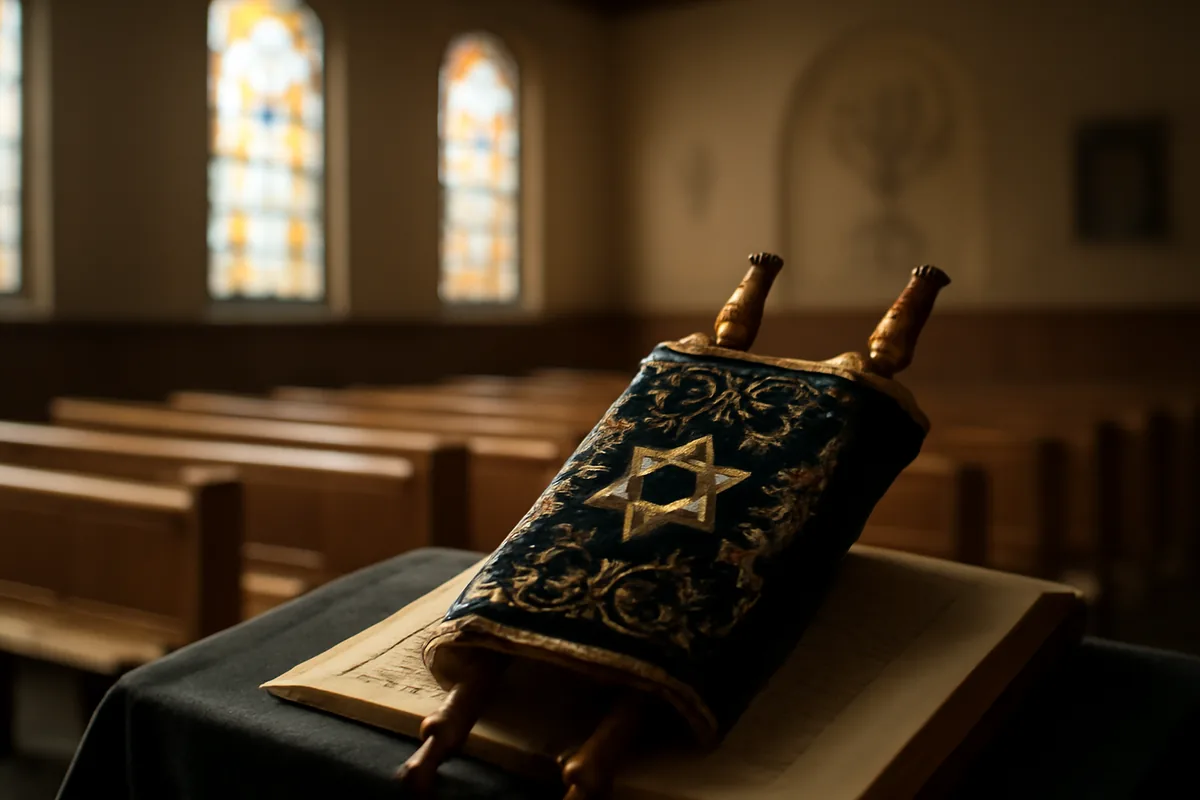
Yom Kippur, known as the Day of Atonement, holds immense cultural and religious significance for Jewish communities worldwide. As the holiest day in the Jewish calendar, it is dedicated to repentance, atonement, and deep reflection on one's actions over the past year.
Yom Kippur marks the culmination of the Ten Days of Repentance, which begin with Rosh Hashanah, the Jewish New Year. This period is a time for introspection and for seeking forgiveness both from God and from those one may have wronged. Rabbi Scott Looper emphasizes that the holiday encourages individuals to ponder their mortality and consider their legacy, urging them to seek inscription in the Book of Life for the coming year [1].
Yom Kippur's roots extend back to biblical times, with its first mention in the Book of Leviticus, where it is described as a Sabbath of Sabbaths. This ancient directive underscores the profound seriousness of the day, as it was originally centered around the Temple in Jerusalem, where the High Priest would perform sacred rituals to atone for the people's sins. The destruction of the Second Temple in 70 CE shifted the observance from physical sacrifices to prayer and reflection, which remains its form today.
The Ten Days of Repentance are seen as a journey towards self-improvement and spiritual purification. Beginning with Rosh Hashanah, these days are filled with self-examination and communal prayers, culminating in Yom Kippur. This progression mirrors a spiritual ascent, where each day is an opportunity to climb closer to spiritual purity and renewal.
The central observance of Yom Kippur is a 25-hour fast, beginning at sundown and ending the following night, traditionally marked when three stars are visible in the sky. This fast is not just about abstaining from food and drink; it also includes refraining from work, wearing leather, bathing, and other physical comforts. These restrictions aim to focus the mind on spiritual matters, morality, and humility [2].
Yom Kippur is characterized by extensive synagogue services, where communal prayers play a significant role. These prayers are collective, emphasizing the community's shared responsibility for sins rather than individual confessions. The shofar, a ram's horn, is blown to symbolize a call to repentance, marking the end of the services [1].
Yom Kippur services are divided into several parts, each with its own focus and significance. The Kol Nidre service, held on the eve of Yom Kippur, is particularly poignant, as it annuls personal vows to God, emphasizing the theme of forgiveness. Throughout the day, services such as Shacharit (morning), Mussaf (additional), Mincha (afternoon), and Ne'ilah (closing) guide worshippers through varied expressions of penitence and hope.
Some Jewish communities engage in the Tashlich ceremony, where individuals throw bread into a body of water, symbolizing the casting away of sins. This act represents a fresh start and a commitment to better behavior in the coming year [2]. Additionally, the wearing of white clothing during Yom Kippur symbolizes purity and a new beginning, aligning with the day's themes of renewal and atonement.
Fasting on Yom Kippur is a profound expression of self-denial and penance. It serves as a physical manifestation of spiritual dedication, pushing observers to focus solely on introspection and spiritual reawakening. The fast is broken with a communal meal, fostering a sense of unity and renewal.
Fasting is not merely a physical act; it is deeply symbolic. It embodies the relinquishment of earthly needs to prioritize spiritual nourishment. By abstaining from food and other comforts, individuals confront their vulnerabilities and reflect on their dependence on God. This ritual fasting is a humbling reminder of life's fragility and the importance of spiritual sustenance.
While fasting is a central component of Yom Kippur, Jewish law provides exceptions for individuals whose health would be compromised by fasting, such as the elderly, pregnant women, and those with medical conditions. The principle of pikuach nefesh, or saving a life, takes precedence, emphasizing the value placed on health and life within Jewish tradition.
Unlike many holidays, wishing someone a "Happy Yom Kippur" is not appropriate due to the day's solemn nature. Instead, it's customary to say "G'mar chatima tova," which translates to "May you be sealed in the Book of Life." This greeting acknowledges the day's spiritual importance and reflects a hope for a positive future [2].
The greeting "G'mar chatima tova" is deeply rooted in the belief that one's fate is inscribed in the Book of Life on Rosh Hashanah and sealed on Yom Kippur. The phrase is a wish for a favorable judgment and a year filled with blessings. It's a reminder of the communal and individual aspirations for renewal and divine favor.
For those less familiar with Hebrew, the simpler "Have an easy fast" is also a common and thoughtful salutation. When pronouncing "G'mar chatima tova," it's helpful to note that the "ch" is guttural, similar to the "ch" in the Scottish "loch," which may require practice for English speakers.
Yom Kippur is not just a day of fasting; it's a profound opportunity for Jewish individuals and communities to reflect, renew, and seek moral and spiritual growth. Whether participating in traditional services, engaging in symbolic rituals, or observing the fast, Yom Kippur offers a time to connect more deeply with one's faith and community.
For those unfamiliar with Jewish traditions, understanding Yom Kippur's significance provides insight into the values of reflection, atonement, and community that underscore this holy day. The rituals and observances of Yom Kippur serve as a powerful reminder of the potential for human growth and transformation, providing a blueprint for living a life of meaning and integrity.
Yom Kippur is the holiest day in the Jewish calendar, dedicated to atonement and reflection. It concludes the Ten Days of Repentance, emphasizing communal responsibility and spiritual renewal.
Fasting on Yom Kippur is a form of penance and self-denial, designed to foster spiritual focus and humility. It directs attention away from physical needs to introspection and repentance.
The Yom Kippur fast lasts approximately 25 hours, beginning at sundown on the eve of Yom Kippur and ending the following night when three stars appear in the sky.
The traditional greeting for Yom Kippur is "G'mar chatima tova," meaning "May you be sealed in the Book of Life," reflecting the day's solemn and hopeful spirit.
At Yom Kippur's conclusion, the fast is broken with a communal meal. The shofar is blown in synagogue services, signaling the end of the day of atonement and the beginning of a fresh start.
More from Learning & Education.
Discover the role of cursive handwriting in education today. Learn about its benefits for cognitive development and historical literacy.