
Taylor Sheridan's Impact on TV: A Powerful Legacy
Taylor Sheridan has reshaped TV with his series success, exemplified by 'Lioness.' Discover how his storytelling and character development have left …
Explore how weather affects music festivals in 2026 and get tips for a seamless experience.
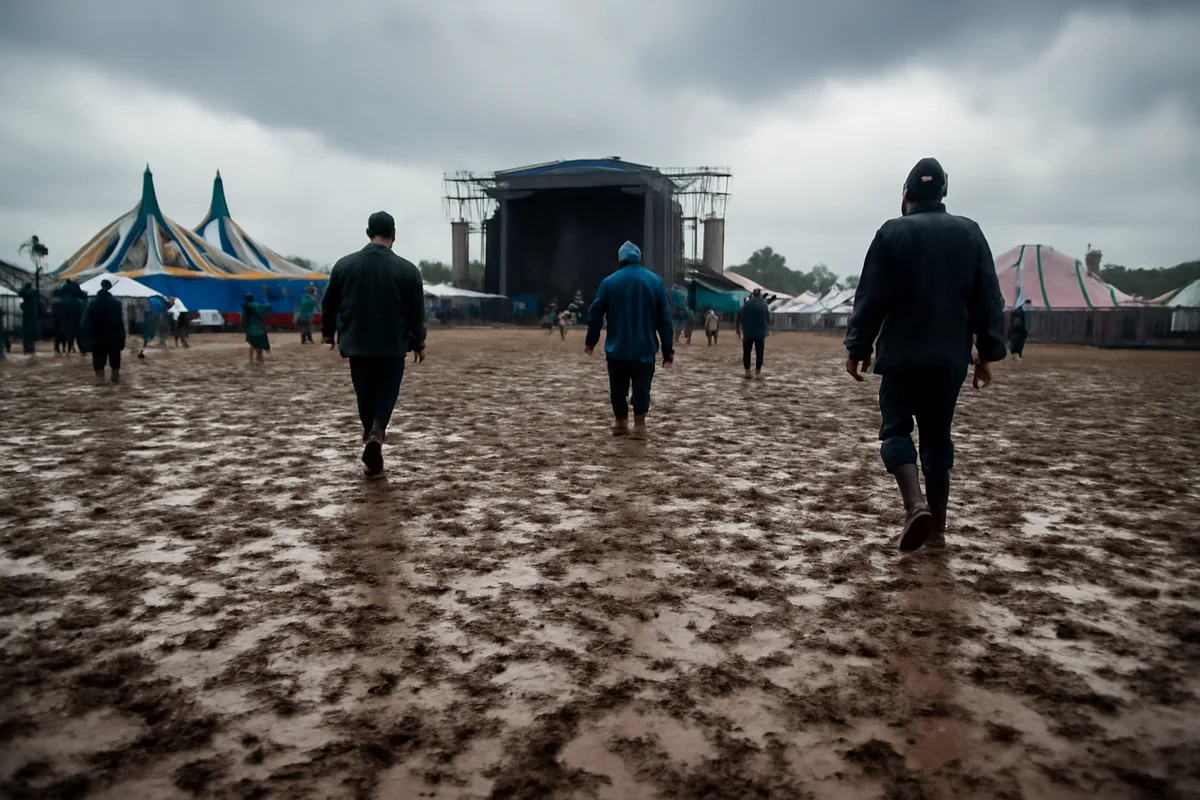
Weather can significantly impact music festivals, influencing everything from logistics to the overall attendee experience. In 2026, understanding and preparing for weather changes is crucial for festival-goers and organizers alike. Recognizing the potential challenges and opportunities posed by weather can lead to better planning and a more enjoyable festival experience.
Weather conditions can drastically alter the atmosphere and operational aspects of a music festival. Rain can lead to muddy grounds, affecting accessibility and comfort, while extreme heat may pose health risks to attendees. Wind can disrupt sound systems and stage setups, leading to potential safety hazards. Being aware of these possibilities allows for better preparation.
Rain and mud are infamous for transforming festival grounds into difficult landscapes. For instance, the iconic Glastonbury Festival has often faced heavy rain, turning fields into mud baths. In 2023, attendees shared stories of losing shoes in the mud and tents being flooded overnight. To mitigate these effects, festivals can invest in improved drainage systems and provide platforms or mesh walkways to keep paths accessible. Attendees should pack waterproof clothing, sturdy wellington boots, and tarpaulins to protect camping gear.
High temperatures can be dangerous, especially in large crowds. Festivals like Coachella, held in the California desert, frequently contend with extreme heat. To combat this, organizers implement shaded areas, misting stations, and ample water supplies. Attendees must stay hydrated, wear light clothing, and use sunblock to protect against sunburns. Awareness of the signs of heatstroke and dehydration is also crucial.
Strong winds can pose a threat to both safety and sound quality. Stages and tents must be secured to withstand gusts, and sound systems calibrated to cope with wind interference. At the Oceans Calling festival, gusts of up to 40 mph were forecasted, leading organizers to adjust stage setups and secure equipment [2]. Attendees should be prepared for cooler temperatures and potential delays.
The Oceans Calling festival in Ocean City, Maryland, provides a recent example of how weather can impact event planning. Due to an approaching storm, organizers adjusted the festival schedule, opening gates later and extending curfews to accommodate the challenging weather conditions [1]. Coastal flooding and strong winds were anticipated, prompting changes to ensure safety and smooth operations [2].
Organizers made specific adjustments such as delaying the opening of the festival gates to 1 p.m., and extending the curfew to midnight, which was crucial for attendee safety and logistical convenience [1]. The adjustments were communicated through official channels to keep attendees informed. The box office and merchandise areas also adjusted their schedules to accommodate the weather, demonstrating the need for flexibility in festival planning.
The festival faced potential coastal flooding and erosion, especially near bays and tidal waterways. This prompted the need for additional safety measures, such as rerouting foot traffic and reinforcing barriers. Organizers also communicated the risks of driving through flooded roads, emphasizing safety over convenience [2]. Such proactive measures are essential in minimizing weather-related disruptions.
In addition to packing, attendees should have a plan in case of emergencies. This includes knowing the location of first aid stations, identifying meeting points with friends in case of separation, and having a list of emergency contacts. Understanding the festival's safety protocols can also provide peace of mind.
| Festival Name | Weather Challenge | Response | Outcome |
|---|---|---|---|
| Oceans Calling | Coastal flooding, wind | Schedule adjustments | Festival proceeded with minor changes |
| Coachella | High temperatures | Water stations, shaded areas | Enhanced attendee safety |
| Glastonbury | Rain, mud | Improved drainage, walkways | Continued with traditional spirit |
Each festival's response to weather challenges provides valuable lessons. For instance, Coachella's focus on hydration highlights the importance of water accessibility, while Glastonbury's drainage solutions demonstrate how infrastructure can mitigate mud-related inconveniences. These examples underscore the importance of adaptability and resilience in festival planning.
In 2026, expect festivals to be better prepared for unpredictable weather. Many events are investing in infrastructure improvements and real-time weather monitoring systems to enhance safety and comfort. This means more robust drainage systems, better temporary structures to withstand winds, and enhanced communication networks for real-time updates.
Technology will play a pivotal role in weather preparedness. Drones equipped with weather sensors could provide real-time data, while apps might offer personalized alerts based on an attendee's specific location within a festival. Additionally, virtual reality (VR) could offer weather simulations to prepare attendees for potential conditions.
As climate change continues to influence weather patterns, festivals are increasingly adopting sustainable practices. This includes using renewable energy sources, implementing waste reduction strategies, and promoting eco-friendly transportation. These efforts not only reduce environmental impact but also enhance resilience against adverse weather events.
Understanding the weather's impact on music festivals is essential for a successful and enjoyable experience. By keeping informed and prepared, you can ensure that the weather adds to rather than detracts from the fun. With the right preparation and mindset, even the most unpredictable weather can become part of the festival's charm and excitement. By embracing both technology and community, attendees and organizers can work together to make 2026 a standout year for music festivals worldwide.
Check the forecast regularly, pack weather-appropriate clothing and gear, and stay updated with official festival communications for real-time changes.
Pack layers, sturdy shoes, rain gear, sunscreen, a hat, and a refillable water bottle to stay comfortable in various weather conditions.
Weather impacts logistics, safety, and attendee comfort. Rain can create muddy conditions, heat poses health risks, and wind can disrupt equipment.
Due to forecasted storms, the Oceans Calling festival adjusted its schedule, delayed gate openings, and extended curfews to ensure safety.
Weather planning ensures the safety and enjoyment of attendees by preparing for potential disruptions and enhancing festival infrastructure.
More from Sports & Entertainment.
Taylor Sheridan has reshaped TV with his series success, exemplified by 'Lioness.' Discover how his storytelling and character development have left …
Explore the financial dynamics of Temple of Doom residuals and how they impacted Ke Huy Quan's life and the film industry.
Discover the revelations and insights from Sylvester Stallone's 2026 memoir 'The Steps'.