
Is Citigroup Stock Undervalued in 2026? A Detailed Analysis
Discover if Citigroup stock is undervalued in 2026 with insights into valuation models and market conditions.
Discover essential strategies to safeguard your bank accounts from AI scams and ensure your financial security.
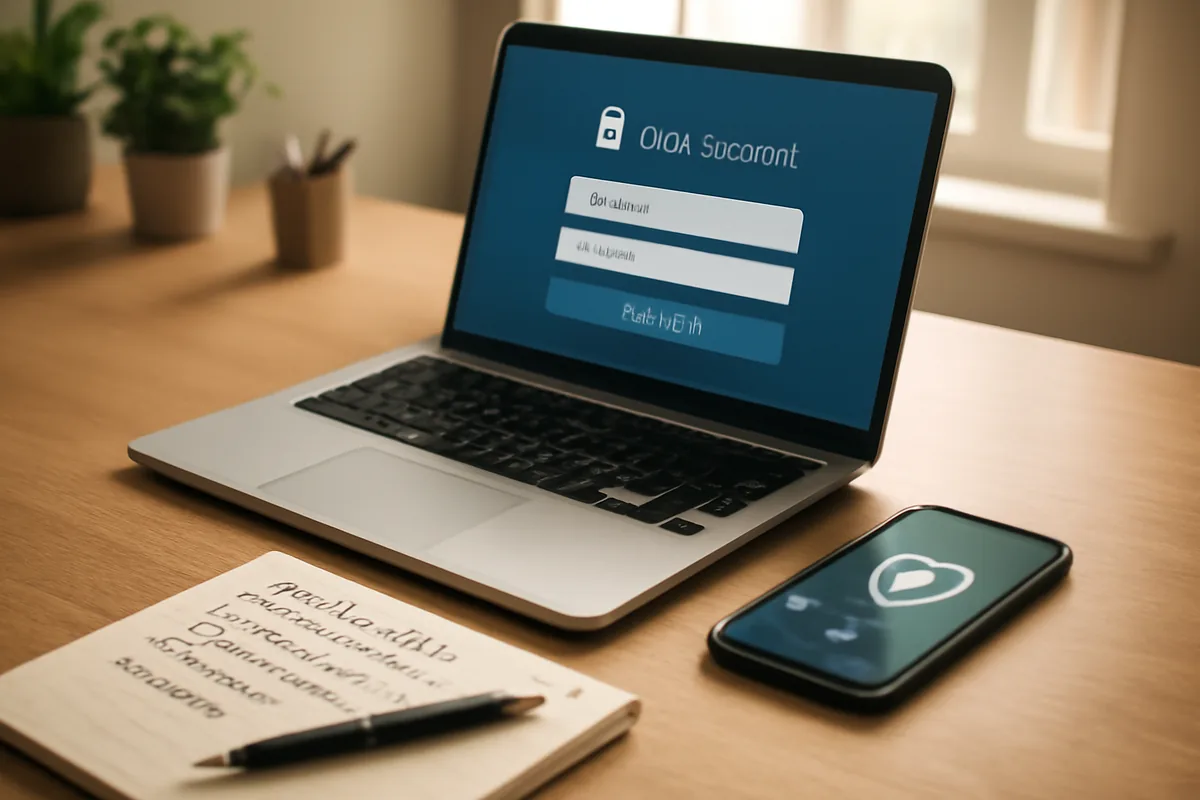
AI-driven scams are increasingly threatening bank account security. These scams use sophisticated techniques that can fool even vigilant individuals. To protect your bank accounts from AI scams, it's crucial to understand the methods attackers use and how you can safeguard your finances.
AI scams often involve social engineering tactics, where fraudsters impersonate trusted entities to extract personal information. As seen in recent cases, scammers deceive victims by pretending to be from banks or government agencies, such as the FDIC, and claim they are resolving a security issue[1]. These scams can lead to unauthorized transactions and significant financial loss.
AI scammers exploit machine learning algorithms to analyze vast amounts of data quickly, identifying potential victims and tailoring their approaches to maximize success. For example, AI can generate realistic-looking emails or voice calls that sound authentic, making it harder for individuals to discern fraud. The use of deepfake technology allows scammers to create convincing audio or video messages impersonating bank officials.
Another method involves AI chatbots that simulate customer service representatives. These bots can handle queries in real-time, making it challenging to distinguish between legitimate and fraudulent interactions. As AI continues to evolve, the sophistication of these scams is likely to increase, emphasizing the need for robust security measures.
Being aware of scam indicators is crucial for prevention. Common signs include:
Always use strong, unique passwords for your banking accounts. Enable two-factor authentication (2FA) for an extra layer of security. This requires a second form of verification, like a text message or an authentication app, making it harder for scammers to access your account.
A strong password should be at least 12 characters long and include a mix of uppercase letters, lowercase letters, numbers, and symbols. Avoid using easily guessed words or personal information like birthdays. Consider using a password manager to generate and store passwords securely.
Review your bank statements and account activity frequently to catch unauthorized transactions early. Set up alerts for any unusual activity, such as large withdrawals or changes to your account information.
Most banks offer the option to set up alerts for transactions. These can be customized to notify you via email or text message whenever your account experiences activity like withdrawals over a certain amount or changes to your personal information.
Phishing emails can look convincingly real. Always verify the sender's email address, and be wary of links or attachments in suspicious messages. If in doubt, contact your bank directly using official contact details.
Some phishing emails may claim you've won a prize or that there's an issue with your account that needs immediate attention. Be skeptical of any message that urges you to act quickly without taking time to verify its legitimacy.
Stay informed about the latest AI scam techniques. Many banks offer resources and workshops on fraud prevention. Being knowledgeable about potential threats is one of the best defenses against scams.
Regularly check your bank's website for updates on new types of fraud or attend workshops offered by your bank. Online resources such as the Federal Trade Commission (FTC) provide valuable information on how to recognize and avoid scams.
If you suspect fraudulent activity, report it to your bank immediately. Quick reporting can help prevent further unauthorized transactions. Additionally, consider freezing your accounts and changing your passwords to minimize risk.
Banks are continuously enhancing their security measures, but gaps still exist. As reported, some banks, like Huntington, have been scrutinized for their fraud verification processes[1]. It’s essential to hold your bank accountable and request information on their fraud prevention strategies.
Many banks are investing in AI technology themselves to detect anomalies in transaction patterns and prevent fraud before it occurs. Machine learning algorithms can flag unusual activity that deviates from a customer's normal spending habits.
Although banks are making strides in preventing fraud, ongoing improvements are necessary. Enhanced customer education, better fraud detection systems, and more transparent communication can help reduce the risk of scams. Customers should also demand higher security standards and accountability from their banks.
| Protection Method | Description |
|---|---|
| Strong Passwords | Use complex passwords and update them regularly. |
| Two-Factor Authentication | Add an extra verification step to secure accounts. |
| Regular Account Monitoring | Check for unauthorized transactions frequently. |
| Scam Education | Learn about new scams to recognize and avoid them. |
Protecting your bank accounts from AI scams requires vigilance, education, and proactive security measures. By implementing these strategies, you can reduce your risk of falling victim to these sophisticated fraud tactics. Stay informed, and keep your financial information secure. Regular updates to your security practices and ongoing education are vital components in staying one step ahead of scammers.
AI scams often involve unsolicited communication claiming urgency or authority. Be cautious of emails or calls asking for personal information, and verify official contacts before responding.
Contact your bank immediately to report suspicious activity. Consider freezing your accounts, changing passwords, and monitoring your accounts closely for further unauthorized transactions.
Two-factor authentication adds a layer of security by requiring a second verification step, like a text message, to access accounts, making it harder for scammers to gain unauthorized access.
Banks have policies regarding fraudulent transactions, but customers often need to prove unauthorized access. It's crucial to report fraud quickly and provide evidence to facilitate refunds.
Understanding scam tactics can help you recognize and avoid them. Many banks offer resources and workshops to educate customers about fraud prevention and keep them informed of emerging threats.
More from Money & Finance.
Discover if Citigroup stock is undervalued in 2026 with insights into valuation models and market conditions.
Explore how the Florida Lottery operates, including ticket purchasing, prize claiming, and tax implications in 2026.
Unlock big savings with GMA Deals & Steals. Learn how to maximize shopping discounts and find the best deals in 2026.