
Successful Co-Parenting Tips for 2026: Master the Art
Master successful co-parenting in 2026 with essential tips on communication, scheduling, and overcoming challenges.
Navigate nutrition labels with confidence in 2026. Learn to spot misleading claims and make informed dietary choices.
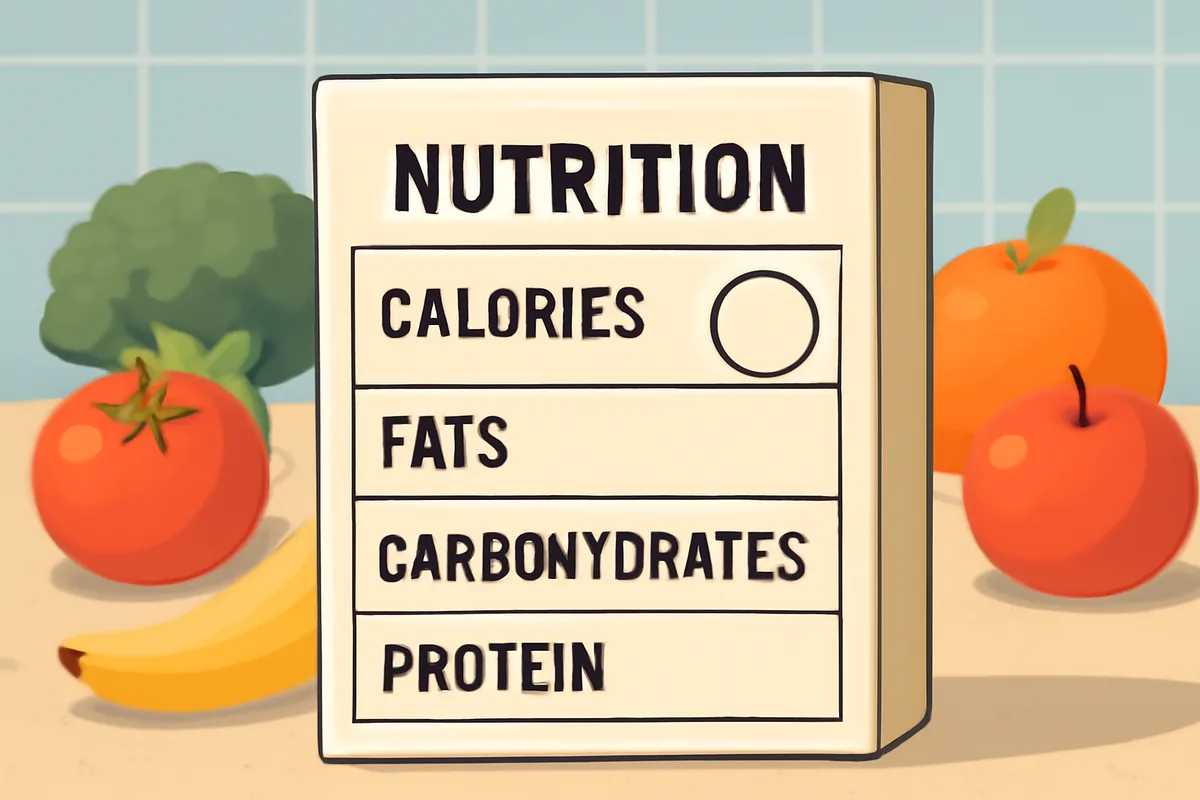
Understanding how to read nutrition labels in 2026 is essential for making informed dietary choices. With many consumers seeking clarity amidst potentially misleading packaging, knowing what to look for can empower you to make healthier decisions.
Nutrition labels provide key information about the contents of packaged foods. Typically, they include data on calories, fats, carbohydrates, proteins, and essential vitamins and minerals. Understanding these elements can help you manage your diet more effectively.
The calorie count on a label is based on a specific serving size, which can often be misleading. Be sure to check the serving size and compare it to the actual portion you consume. For instance, a bag of chips might list calories for a single ounce, while the entire bag contains several ounces. If you eat the whole bag, you may consume double or triple the calories listed per serving.
Vitamins and minerals are vital for overall health. Nutrition labels often highlight Vitamin A, Vitamin C, calcium, and iron. Ensure you're getting adequate amounts of these nutrients. For example, women of childbearing age need more iron, around 18 mg daily, compared to 8 mg for men.
Food packaging often contains claims that can be misleading. Terms like "natural" or "multigrain" may imply health benefits that the product doesn't necessarily offer.
Nutrition labels have seen updates to improve transparency. The most recent changes aim to make it easier to spot added sugars and highlight calorie content more prominently. The FDA now requires the declaration of "Added Sugars" in grams and as a percent Daily Value on the Nutrition Facts label to help consumers make more informed choices.
Manufacturers are also required to include updated serving size requirements that reflect what people actually eat. For example, a 20-ounce soda, which was previously labeled as multiple servings, is now labeled as a single serving to more accurately reflect consumption.
Making informed choices involves more than just reading the label. Consider your own dietary needs and consult a nutritionist if needed. Be wary of products with long ingredient lists, especially those including unfamiliar additives. A good rule of thumb is to choose products with fewer ingredients or those where you recognize all the ingredients listed.
Additionally, consider the context of your overall diet rather than focusing on single foods. A product that seems unhealthy on its own might fit perfectly into a balanced diet when paired with other nutrient-rich foods.
The Diet-MisRAT tool was developed to help detect misinformation in diet and nutrition content, aiding consumers in navigating complex information and avoiding deceptive claims[1]. This tool can be particularly useful in an era where digital misinformation is rampant, allowing users to differentiate between scientifically backed information and marketing ploys.
Reading nutrition labels effectively in 2026 requires a critical eye and an understanding of common packaging tactics. By paying attention to serving sizes, nutrient content, and misleading claims, you can make healthier choices that align with your dietary needs. Staying informed about changes in labeling laws and tools like Diet-MisRAT can further aid in making educated dietary choices.
Focus on calories, serving size, macronutrients, and micronutrients. Check for added sugars and the types of fats. Always compare the serving size listed to the portion you consume.
Be skeptical of terms like "natural" and "multigrain." Always read the ingredient list and assess nutritional claims critically. Look beyond catchy marketing phrases.
Serving size determines the nutritional information presented. Consuming more than the listed serving size means you intake more calories and nutrients than the label indicates.
More from Health & Wellbeing.
Master successful co-parenting in 2026 with essential tips on communication, scheduling, and overcoming challenges.
Discover how climate change alters marathon conditions and learn about potential adaptations for runners facing warmer climates.
Planet Fitness acquisitions are reshaping local gym landscapes, impacting memberships and services.