
Hurricane Polo Explodes Into Rare Category 5 Storm Off Mexico's Coast
Hurricane Polo has rapidly intensified into a rare Category 5 storm churning off the coast of Mexico. Here's what's confirmed so far, and where to tr…
Explore how GLP-1s are transforming fast food menus in 2026 with smaller portions and more protein-packed options.
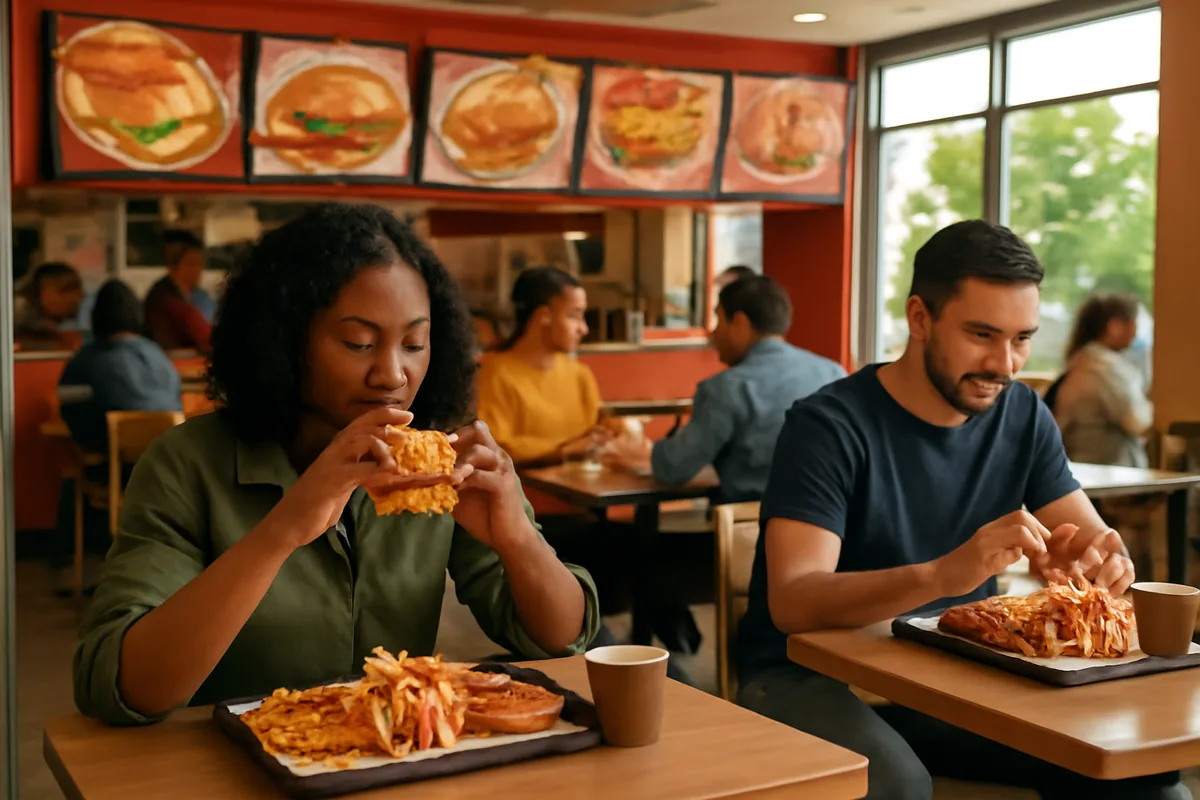
Fast food menus are undergoing a significant transformation in 2026, influenced heavily by the rise of GLP-1 medications. These drugs, originally designed for diabetes management, are now widely used for weight loss, altering how consumers interact with food. As a result, fast food chains are shifting their focus to smaller portions and protein-rich options.
GLP-1 medications reduce appetite and slow digestion, leading consumers to prefer meals that are smaller and more satisfying. This shift is driving fast food chains to downsize portions and enhance nutritional value. McDonald's, for example, is investing $8.5 billion over a decade to incorporate these changes, focusing on protein and portion control to align with consumer preferences [2].
GLP-1 receptor agonists work by mimicking a hormone in the gut that signals fullness to the brain, significantly reducing appetite and caloric intake by about 21% [5]. This physiological effect explains why users of these medications gravitate towards meals that are not only smaller but also richer in nutrients, avoiding the high-calorie, low-nutrient options that were once staples of fast food menus. The trend has encouraged restaurant chains to innovate in their menu offerings, leading to a more health-conscious market environment.
Many fast food chains are pivoting from their traditional high-calorie offerings to more balanced, protein-focused meals. This includes introducing items like grilled chicken sandwiches, protein bowls, and egg bites. McDonald's has already started highlighting protein content in its app, with over 30 items boasting at least 15 grams of protein [3].
Grilled Chicken Options: Chains are now offering grilled chicken wraps and sandwiches as healthier alternatives to fried chicken, appealing to both GLP-1 users and the general public.
Protein Bowls: These typically include a combination of lean proteins, whole grains, and vegetables, providing a balanced meal option that caters to those mindful of their calorie and protein intake.
Egg Bites: These are increasingly popular as a breakfast option, offering a low-carb, high-protein start to the day that aligns with the dietary preferences of GLP-1 users.
Plant-Based Proteins: With the rise in demand for plant-based diets, fast food chains are also including items like quinoa salads and bean-based burgers, which are high in protein and fiber.
For consumers using GLP-1s, maintaining muscle mass while losing weight is a priority. As appetite decreases, so does the risk of losing muscle, making protein consumption crucial. Fast food chains are responding by increasing their protein-rich offerings, which benefits not just GLP-1 users but all consumers looking for healthier options [1].
Protein is essential for muscle synthesis and repair. For individuals on GLP-1 medications, ensuring adequate protein intake helps mitigate muscle loss that can occur as a side effect of rapid weight loss. This has led to increased consumer awareness of protein needs, pushing fast food chains to market protein-forward options more aggressively.
In 2026, approximately 11% of U.S. adults are using GLP-1 medications for weight loss, up from 3% in 2024 [2]. This increase has significantly impacted not only individual eating habits but also broader market trends, compelling fast food chains to adapt quickly.
The demographic profile of GLP-1 users is diverse, spanning various age groups and socioeconomic backgrounds. Initially marketed to manage type 2 diabetes, the weight loss benefits have broadened their appeal. Young adults, particularly millennials and Gen Z who are health-conscious, are major adopters, impacting consumer trends significantly.
The impact of GLP-1s is reshaping the fast food industry by reducing calorie consumption and driving a shift towards healthier menu items. Morgan Stanley projects a 1.5-2.5% decrease in calorie intake in the U.S. by 2035, which could result in tens of billions of dollars in lost revenue for food businesses [5]. Fast food chains are thus restructuring their offerings to capture the evolving market.
| Fast Food Chain | Notable Menu Changes | Investment |
|---|---|---|
| McDonald's | Protein focus, smaller sizes | $8.5 billion |
| Others | Similar shifts in offerings | Data not available |
While the shift towards healthier menus is largely positive, some consumers express concerns about the potential loss of traditional menu items. Fast food chains are addressing this by offering healthier versions of classic items, ensuring customer satisfaction while promoting health.
Education campaigns are being rolled out to inform customers about the benefits of the new menu items and how they align with dietary goals, particularly for those using GLP-1 medications.
The influence of GLP-1s on fast food menus in 2026 is undeniable. As these medications become more prevalent, fast food chains are forced to innovate, offering healthier, more nutritious options that cater to changing consumer demands. This transformation reflects a broader shift towards wellness and mindful eating, marking a new era in the fast food industry.
GLP-1 medications are drugs that mimic a gut hormone, reducing appetite and caloric intake. Originally for diabetes, they are now popular for weight loss.
Due to the rising use of GLP-1 medications, consumers prefer smaller, high-protein meals, prompting fast food chains to adapt their menus.
McDonald's is investing $8.5 billion in a menu overhaul, focusing on protein-rich options and smaller portions to meet consumer demand.
Yes, GLP-1s are reducing overall food consumption, impacting grocery and snack industries by decreasing revenue from high-calorie foods.
They provide healthier, protein-rich meals that align with consumer health goals, benefiting both GLP-1 users and the general public.
More from Health & Wellbeing.
Hurricane Polo has rapidly intensified into a rare Category 5 storm churning off the coast of Mexico. Here's what's confirmed so far, and where to tr…
Scotland faces a growing crisis with the rise of synthetic drugs in 2026, complicating efforts to reduce drug-related deaths.
Explore the implications of contaminated soap in 2026, including potential health risks and recent FDA recalls affecting multiple states.