Taylor Sheridan's Impact on TV: A Powerful Legacy
Taylor Sheridan has reshaped TV with his series success, exemplified by 'Lioness.' Discover how his storytelling and character development have left …
Discover the profound impact of Netflix's Dark on modern sci-fi, reshaping storytelling with its unique time-travel elements.
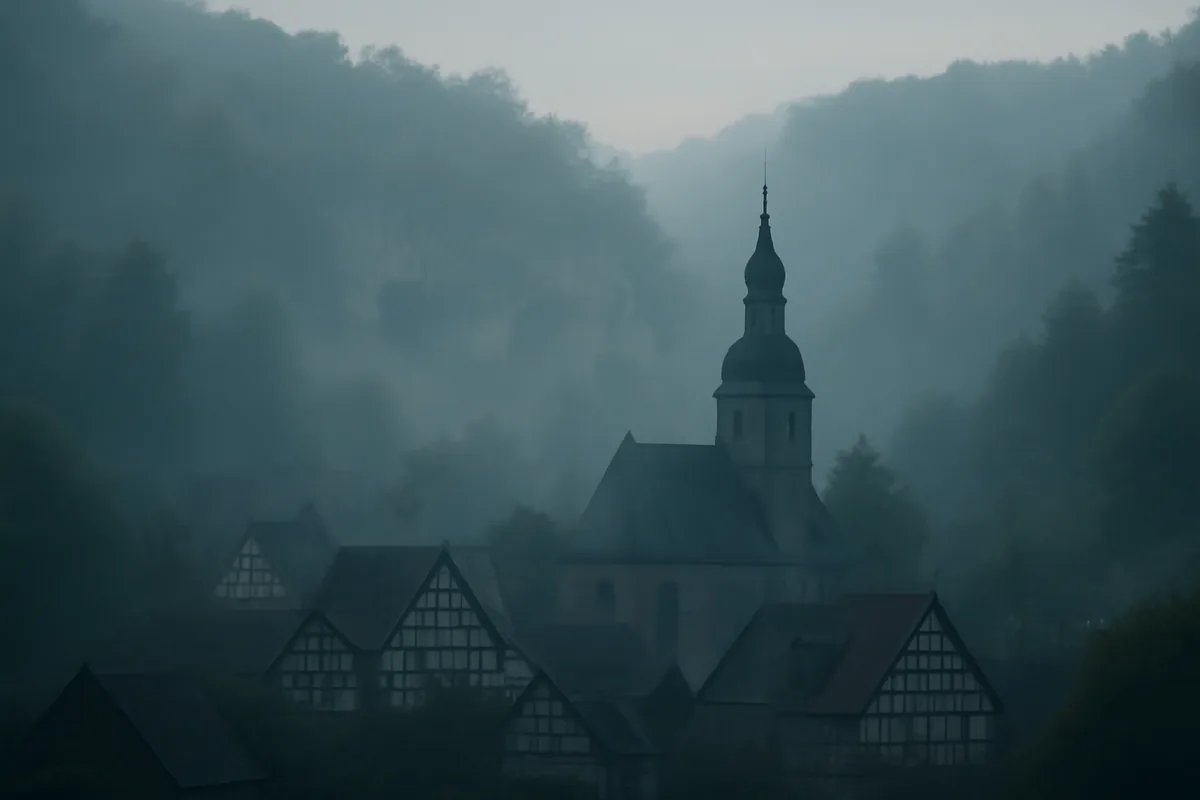
Netflix's Dark has left a significant mark on the sci-fi genre, influencing modern storytelling with its intricate time-travel mechanics and narrative depth. Since its debut in 2017, Dark quickly captivated audiences with its complex plot and unique approach to time travel set in the mysterious town of Winden.
Dark distinguished itself from other sci-fi series through its sophisticated exploration of time-travel concepts. Unlike more straightforward approaches to altering the past or future, Dark presented a deterministic view, where events were predestined. This philosophical stance added a layer of complexity, encouraging viewers to rewatch the series to grasp its nuances fully [1].
The series is renowned for its intricate plot lines and detailed character arcs. Set in a small German town, the storyline revolves around the enigmatic Winden Caves and a time loop that affects the lives of the townspeople every 33 years. This narrative structure allowed Dark to delve deep into themes of fate, free will, and the cyclical nature of history, setting it apart from other shows in the genre [1].
To illustrate the complexity, consider the multiple timelines and character versions that exist simultaneously. For instance, the character Jonas Kahnwald is seen in different stages of his life, interacting with both past and future selves. This interplay challenges viewers to piece together character motivations and plot outcomes across episodes and seasons. Unlike typical linear storytelling, Dark demands a high level of engagement from its audience, rewarding those who pay close attention with a richer understanding of the narrative.
Dark is also praised for its atmospheric storytelling, characterized by moody cinematography and a haunting soundtrack. These elements worked in tandem to create a gripping, immersive experience that drew viewers into its world of suspense and mystery. The use of dim lighting, foggy landscapes, and a muted color palette intensified the ominous tone, making the town of Winden feel almost like a character itself.
The soundtrack, composed by Ben Frost, further amplifies this atmosphere. With a blend of electronic and orchestral elements, the music underscores the tension and emotion of key scenes, enhancing the viewer's connection to the unfolding drama.
Dark has inspired other creators to explore more sophisticated narrative techniques in sci-fi. Its success has shown that audiences are eager for challenging, thought-provoking content, paving the way for series that embrace complex storytelling. Shows like Russian Doll and Devs have followed suit, experimenting with nonlinear narratives and philosophical themes, undoubtedly taking cues from Dark's playbook.
The series elevated the time-travel genre by demonstrating how it can be used to explore profound themes about human existence and relationships. Dark has set a new standard for how time loops and parallel universes are depicted, influencing both television and film. Unlike traditional portrayals that often focus on the novelty of time travel, Dark uses it as a mechanism to explore deeper existential questions, such as the nature of choice and the inevitability of destiny.
As a German-language series, Dark challenged the dominance of English-language sci-fi, proving that international productions can achieve global acclaim. Its success has encouraged streaming platforms to invest in diverse, multilingual content, expanding the horizons of sci-fi storytelling. This shift has opened doors for series like Spain's Money Heist and Korea's Kingdom, both of which have enjoyed international success.
The international appeal of Dark also highlights the increasing globalization of media consumption. With subtitles and dubbing readily available, language barriers are less of an obstacle, allowing non-English series to reach wider audiences. The show's reception has demonstrated that compelling storytelling transcends linguistic and cultural boundaries.
Dark remains a benchmark for quality and innovation in sci-fi, offering a template for how to balance complexity with audience engagement. Its legacy endures as creators and fans continue to discuss and analyze its impact on the genre. Online forums and fan theories abound, as viewers dissect the show's intricate plot points and speculate on unanswered questions.
The series' emphasis on character development and emotional depth also contributes to its lasting appeal. By focusing on the personal struggles and relationships of its characters, Dark grounds its sci-fi elements in a relatable human context. This balance ensures that the series resonates on both an intellectual and emotional level.
A notable aspect of Dark is its commitment to a specific theoretical framework for time travel. By adopting a deterministic approach, the series posits that all events are interconnected and inevitable, a concept that challenges the traditional notion of free will. This is illustrated through the show's consistent use of the bootstrap paradox, where objects or information exist without clear origins. For instance, the time machine in Dark is created using blueprints that are passed down through time, with no single point of inception.
This approach invites viewers to consider the philosophical implications of their actions and the possibility that choice might be an illusion. By engaging with these ideas, Dark elevates itself beyond mere entertainment to provoke deeper reflection on the human condition.
Dark has undeniably left an enduring legacy on modern sci-fi. Its intricate narrative, atmospheric depth, and philosophical exploration of time have influenced a new wave of storytelling, proving that the genre can be both intellectually stimulating and widely appealing. As streaming platforms continue to diversify their offerings, Dark serves as a testament to the power of innovative storytelling and its ability to captivate audiences worldwide.
Netflix's Dark changed sci-fi TV by introducing complex time-travel narratives and philosophical themes, influencing storytelling approaches and inspiring more intricate series.
Dark's approach to time travel is unique because it presents a deterministic view where events are predestined, adding complexity and encouraging multiple viewings.
Dark demonstrated the global appeal of non-English sci-fi series, encouraging streaming platforms to invest in diverse, multilingual content and expanding the genre's horizons.
Dark's narrative is considered complex due to its intricate plotlines, detailed character arcs, and philosophical exploration of themes like fate and free will.
Dark influenced sci-fi TV storytelling by proving audiences appreciate complex, thought-provoking content, inspiring creators to explore more sophisticated narrative techniques.
More from Sports & Entertainment.
Taylor Sheridan has reshaped TV with his series success, exemplified by 'Lioness.' Discover how his storytelling and character development have left …
Explore the financial dynamics of Temple of Doom residuals and how they impacted Ke Huy Quan's life and the film industry.
Discover the revelations and insights from Sylvester Stallone's 2026 memoir 'The Steps'.